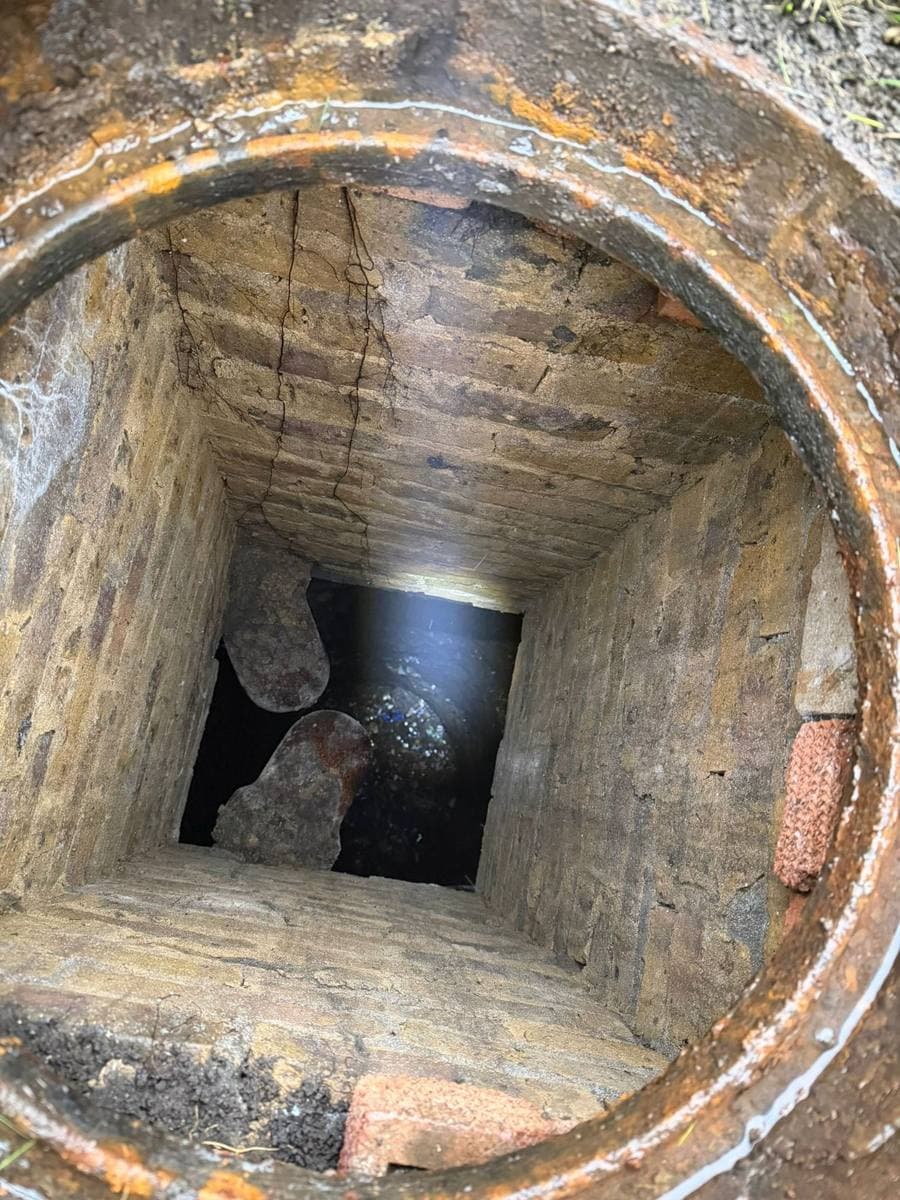
Building over or near a public sewer is a common issue for homeowners in London planning extensions or other ground-level structures. Most Victorian streets in the capital have public sewers running beneath gardens and under or alongside houses, and an extension footprint will sometimes coincide with the sewer route. Understanding the rules around building over sewers before you start is essential to avoid costly problems later.
The primary regulator for sewer build-over in London is Thames Water, which manages the public sewer network across the capital. Before building over or within three metres of a public sewer, you must contact Thames Water and either obtain a formal build-over agreement or a sewer protection agreement, depending on the proximity and the size of the sewer involved.
For sewers up to three hundred millimetres in diameter, Thames Water operates a self-certification scheme for minor works where the extension is built over the sewer but the sewer itself is not at risk of damage and can be maintained and replaced if needed. For larger sewers or more significant structures over the sewer, a formal agreement is required that sets out the design requirements for the structure above the sewer, including minimum clearances, foundation design, and access provisions.
The first step is to establish where the sewer runs. Thames Water provides a map service called the Thames Water Build Over Sewer website that allows you to check whether a public sewer is within the area of your proposed works. If a sewer is present, you then submit a build-over agreement application along with your proposed foundation drawings, which must show how the structure is designed to bridge or avoid loading the sewer.
Foundation design in the proximity of sewers typically requires a structural engineer to design a bridged or cantilevered foundation that transfers the loads to points outside the sewer zone. This may increase foundation costs compared with a standard strip or trench fill foundation.
Failure to obtain a build-over agreement before starting work is a serious issue. Thames Water has the legal right to enter your property to inspect, repair, or replace public sewers, and if a structure has been built over a sewer without agreement they can require the structure to be removed to gain access.
rcbGroup investigates sewer positions at the pre-construction stage of all ground-level projects and coordinates with Thames Water build-over agreement requirements as part of the standard project setup.