Loft Conversions
Across London
All types. All boroughs. Fully managed from survey to sign-off. Velux rooflight, rear dormer, L-shaped dormer, hip-to-gable, mansard. 10/10 on Checkatrade.
Loft conversions we've completed
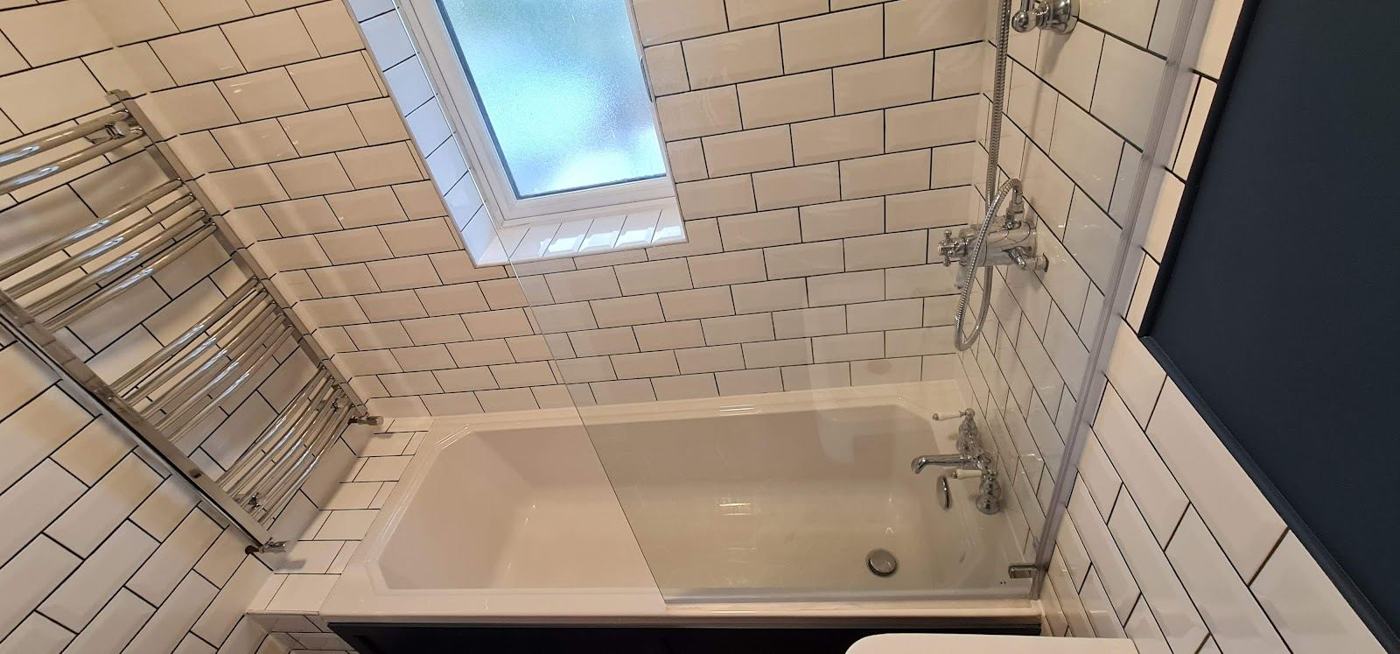
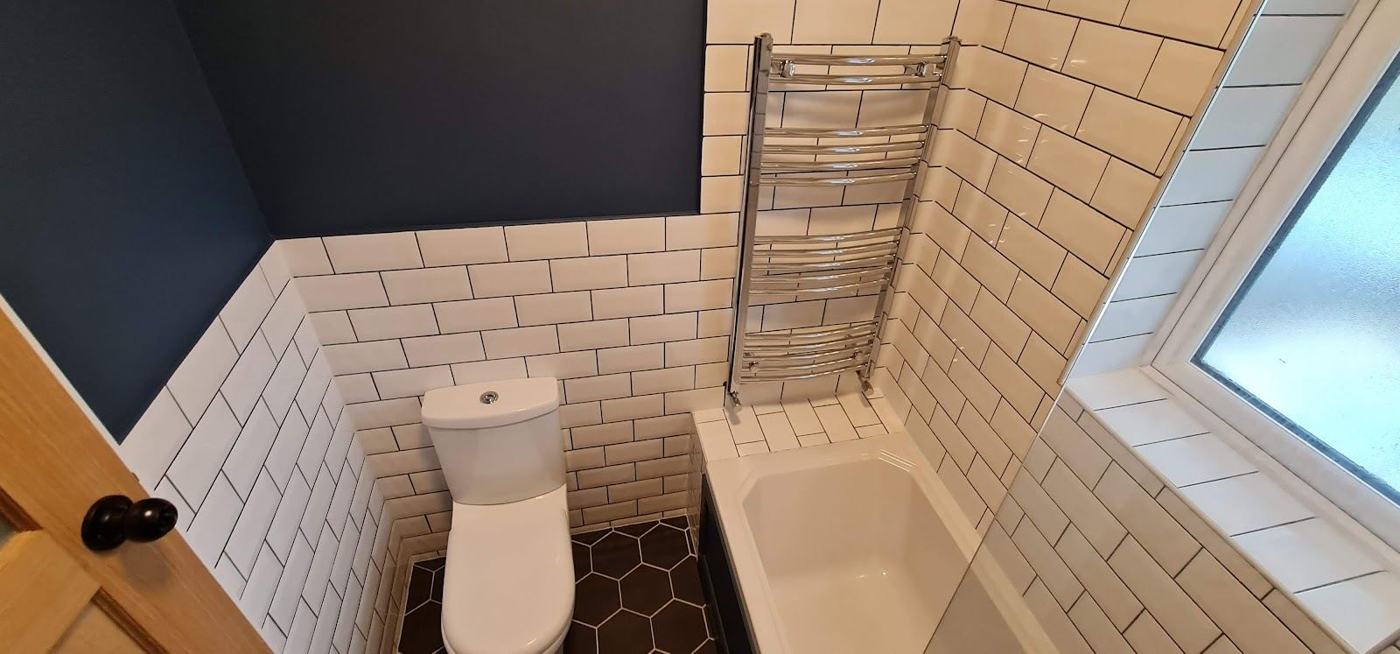
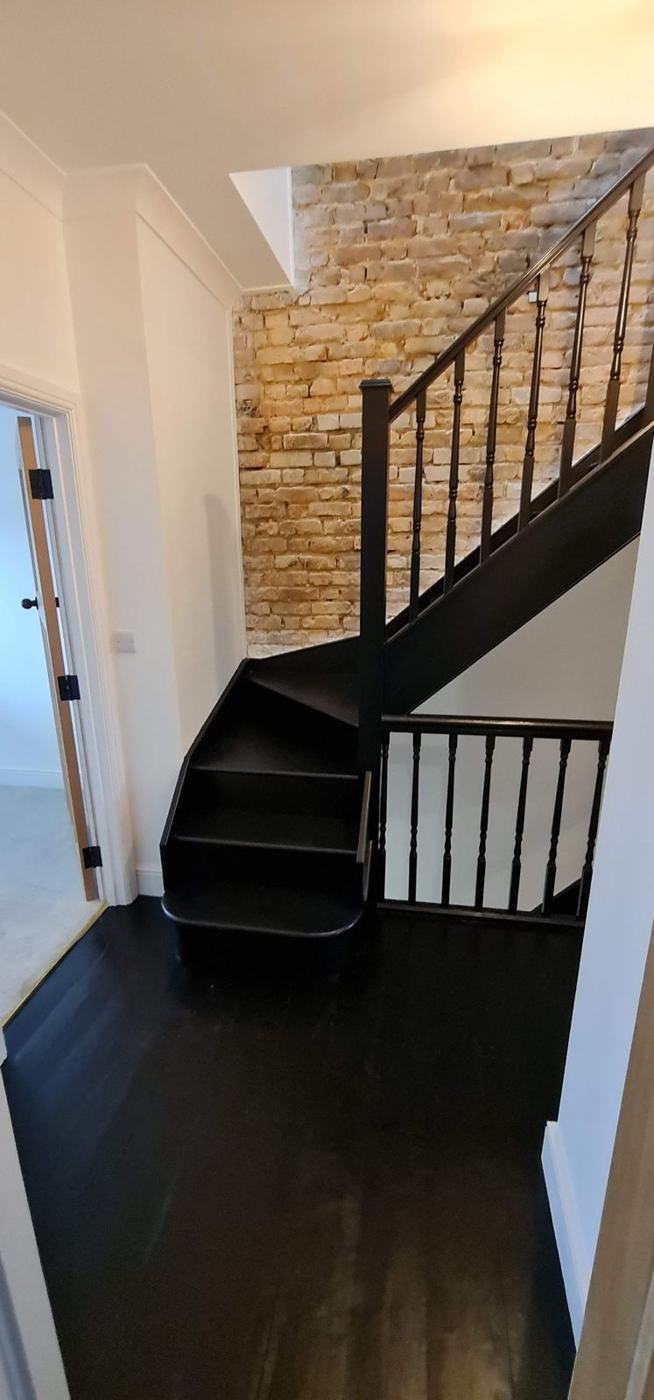
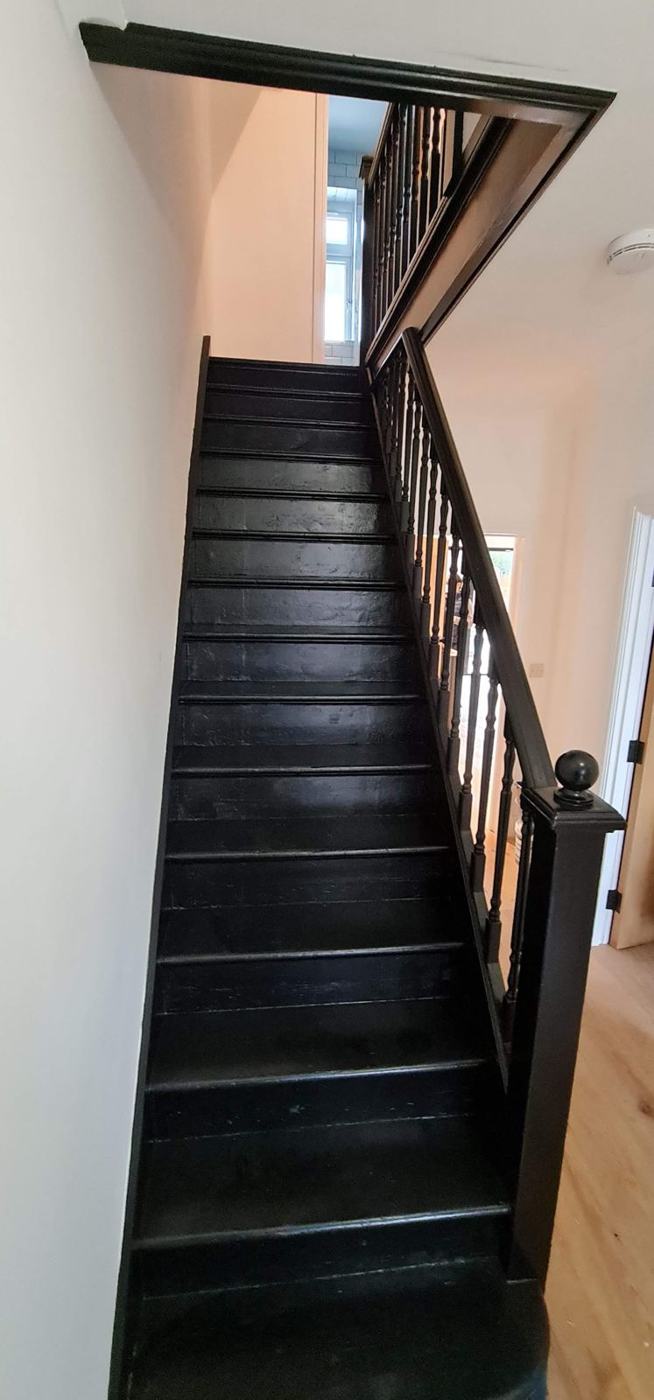
Photographs from rcbGroup loft projects — bedrooms with rooflights and dormer glazing, en-suites, new staircases and eaves storage.
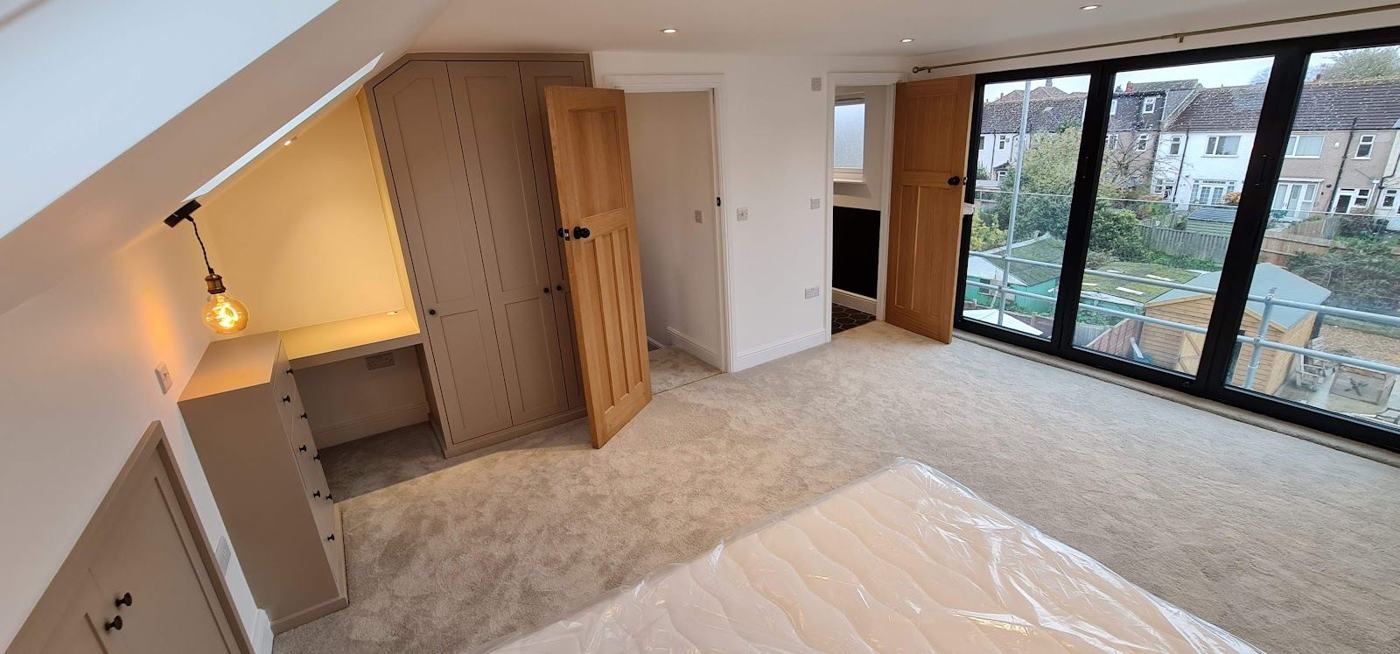 Completed project
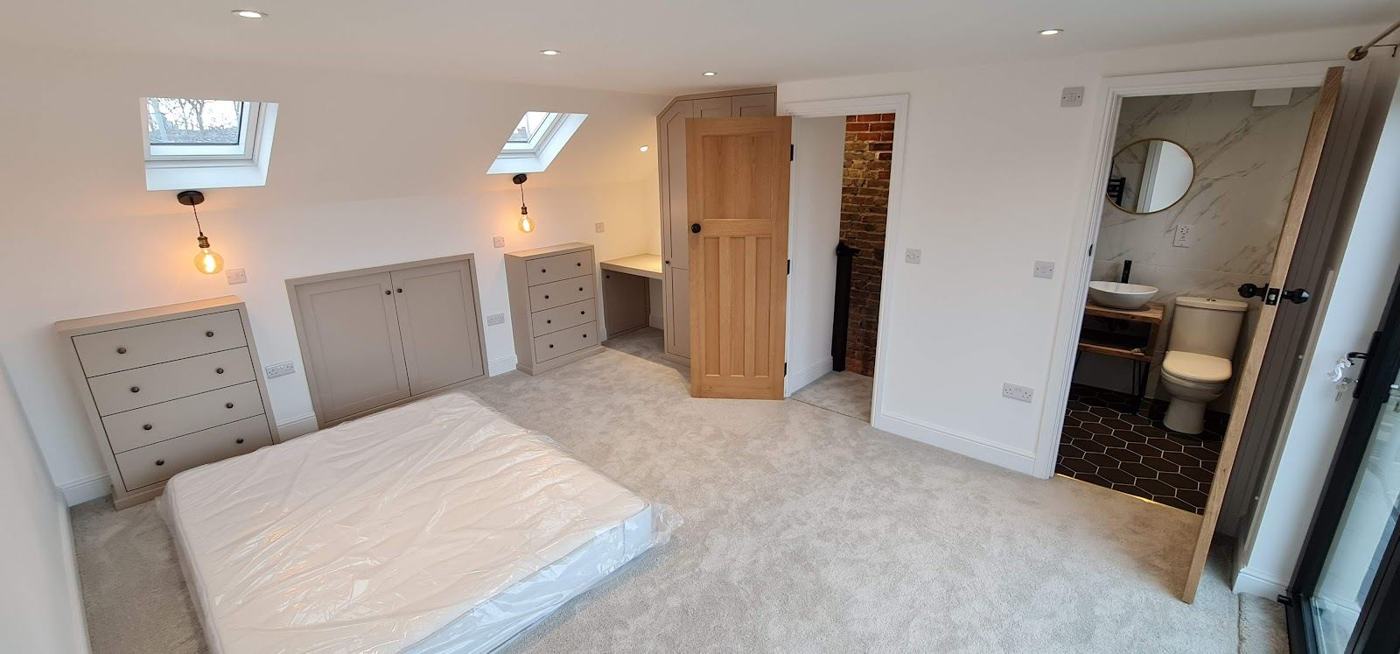 Completed project
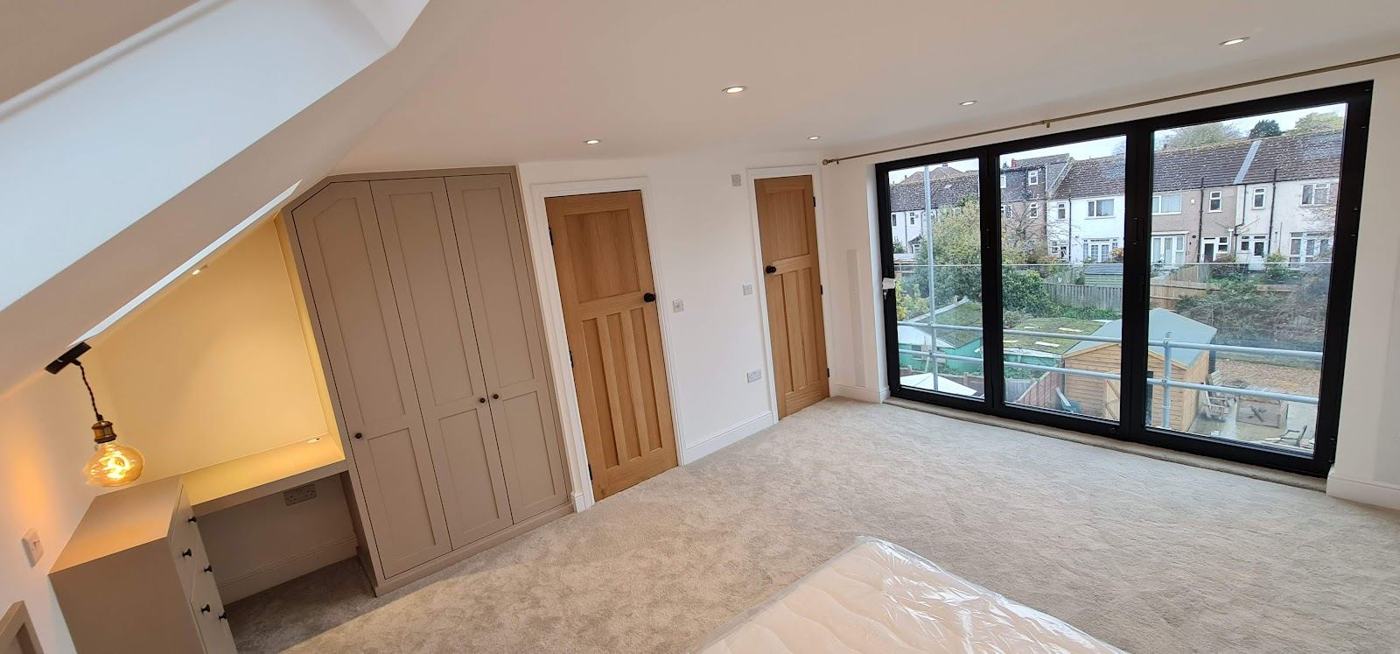 Completed project
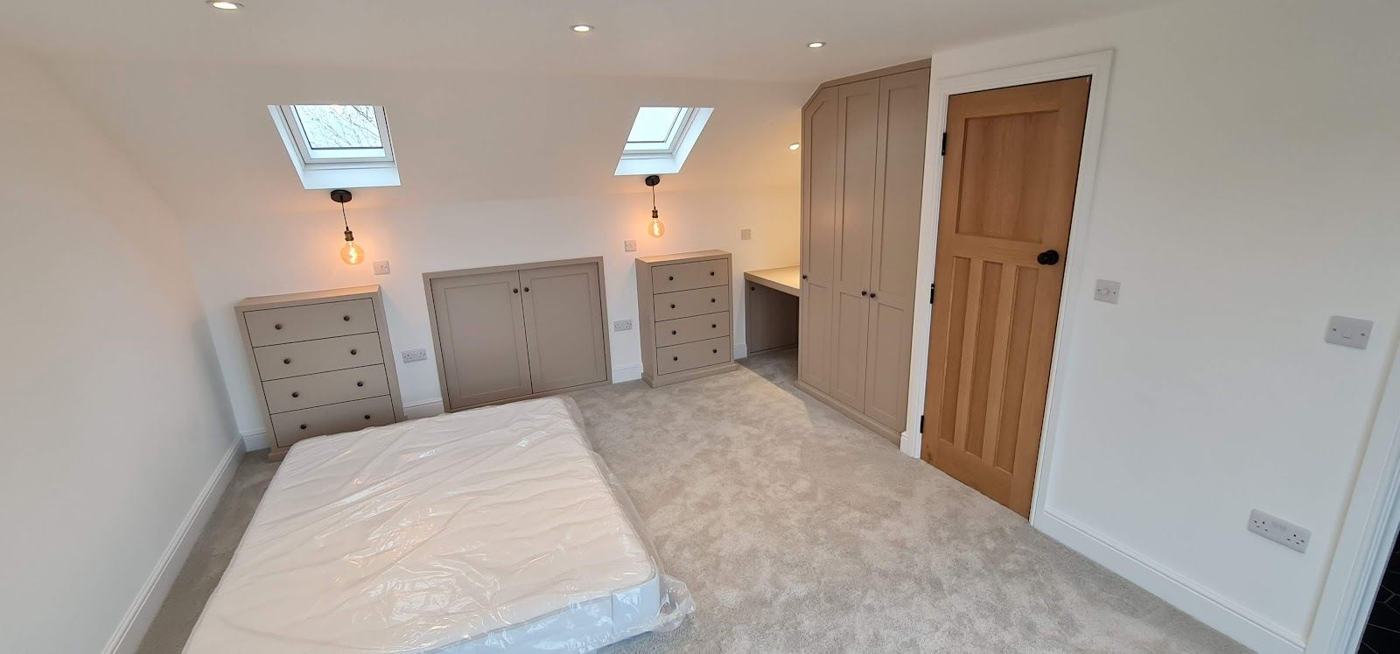 Completed project
 Completed project
 Completed project
 Completed project
 Completed project
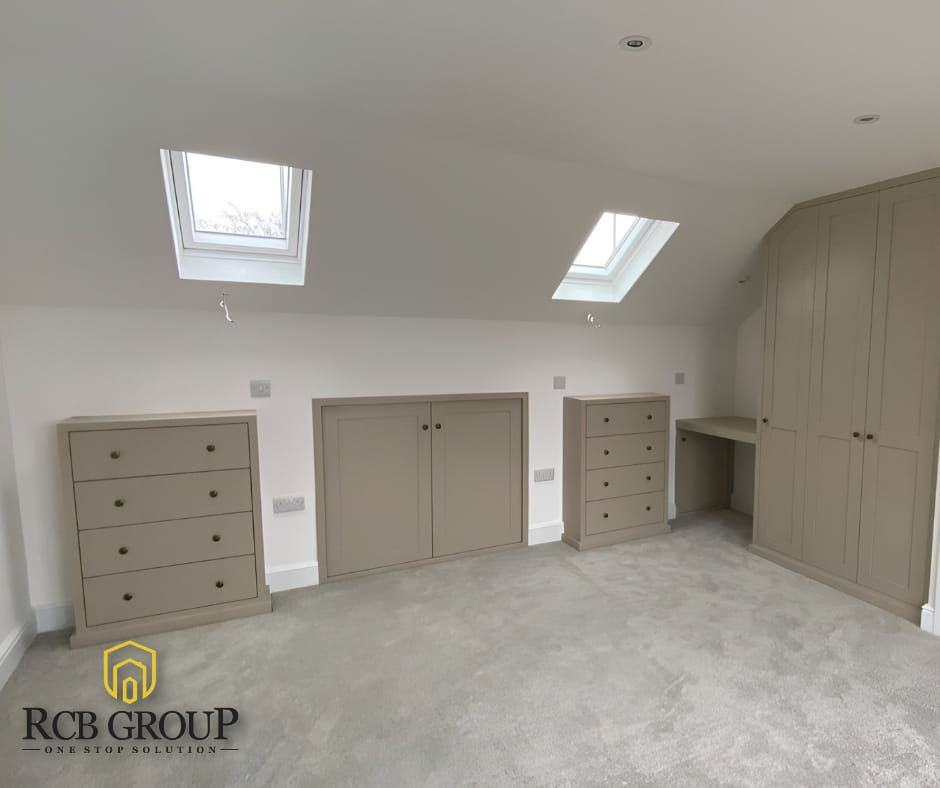 Completed project
 Completed project
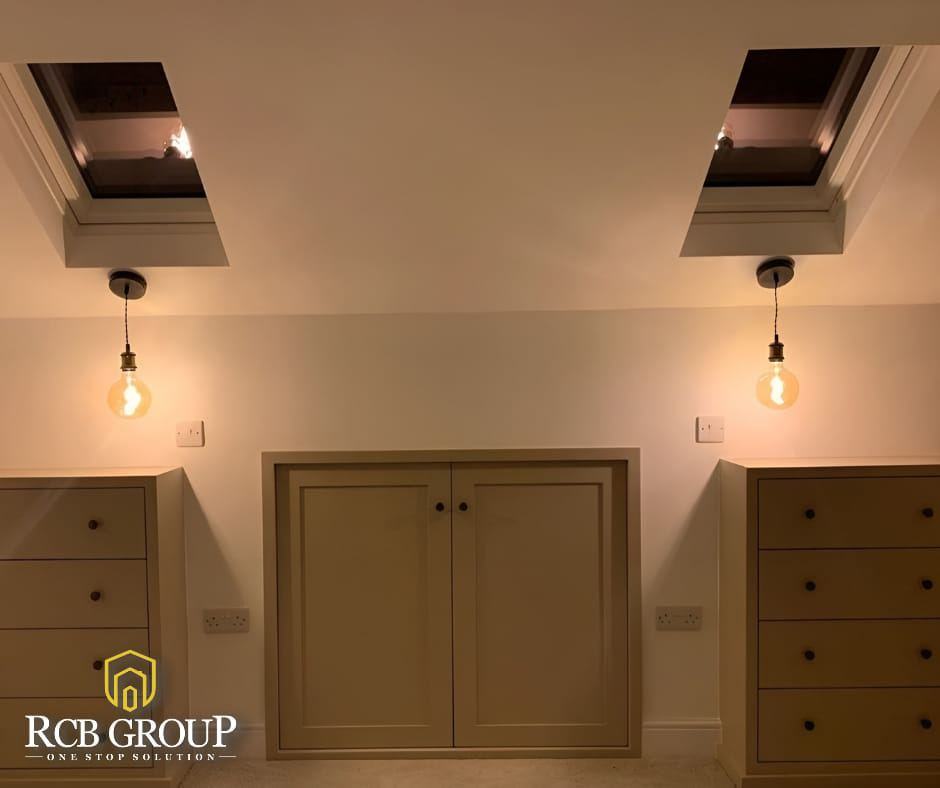 Completed project
Inside a loft conversion build
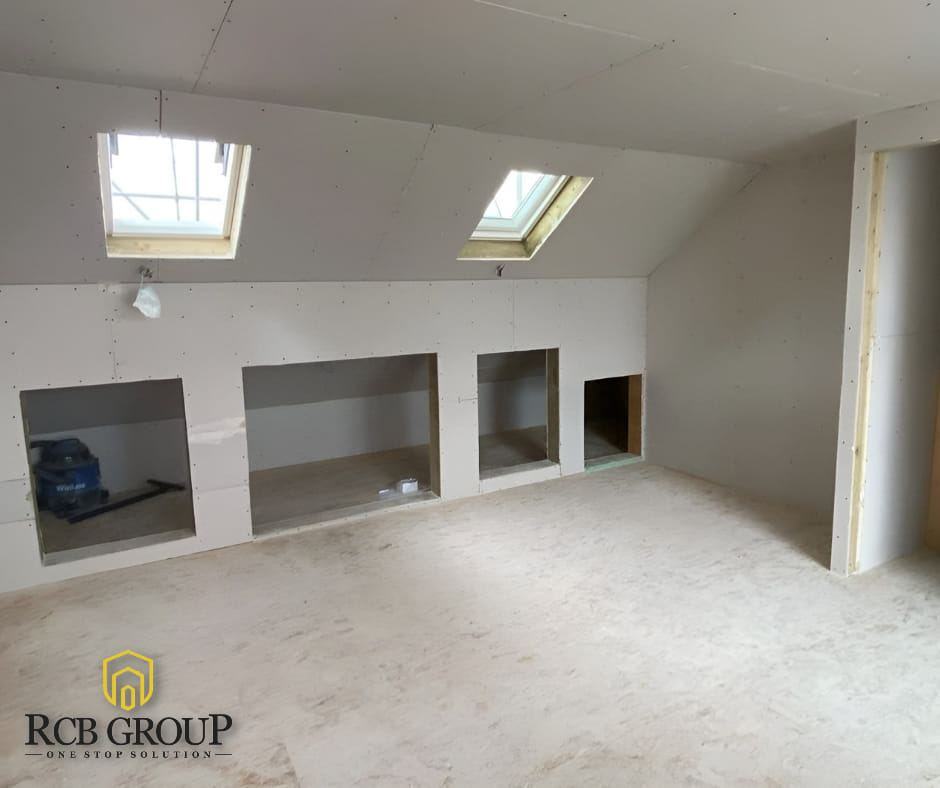
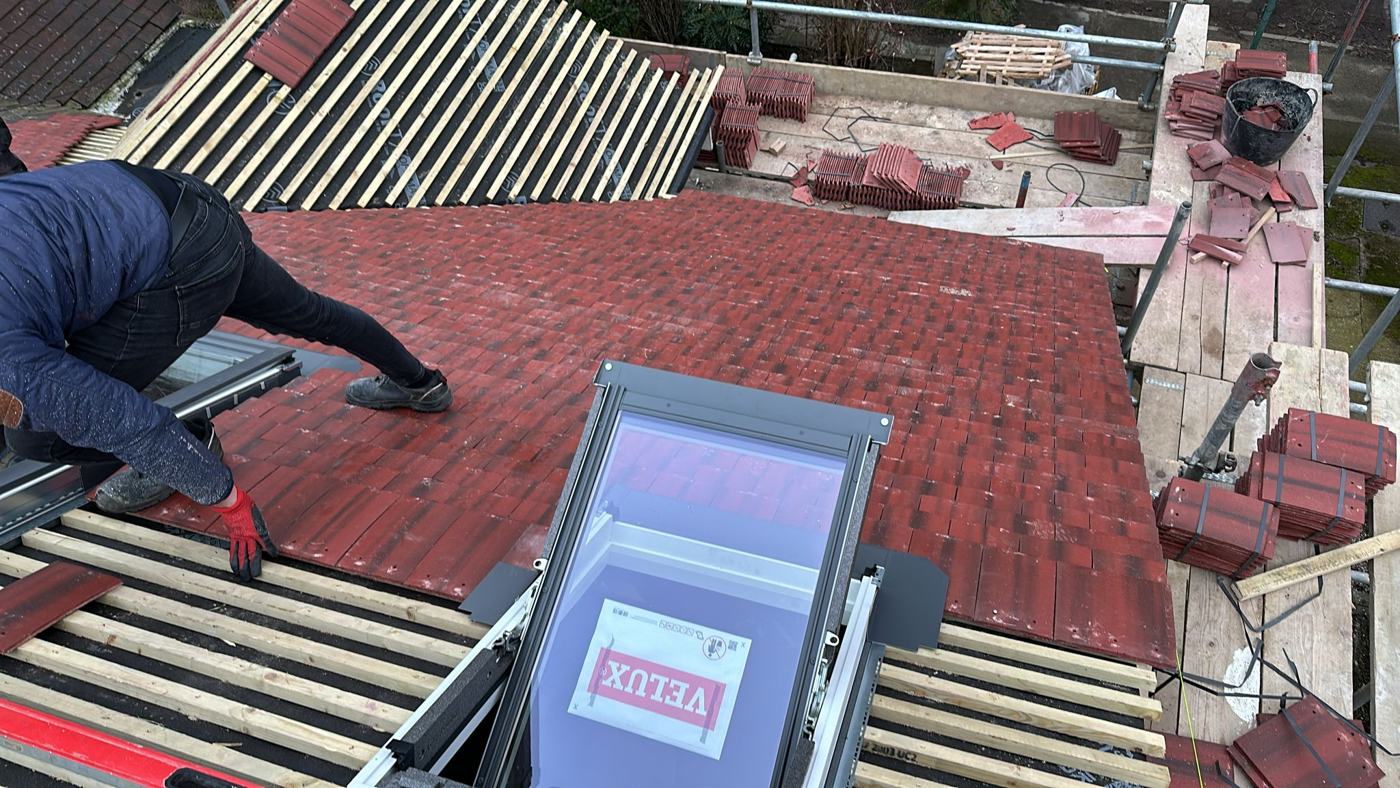
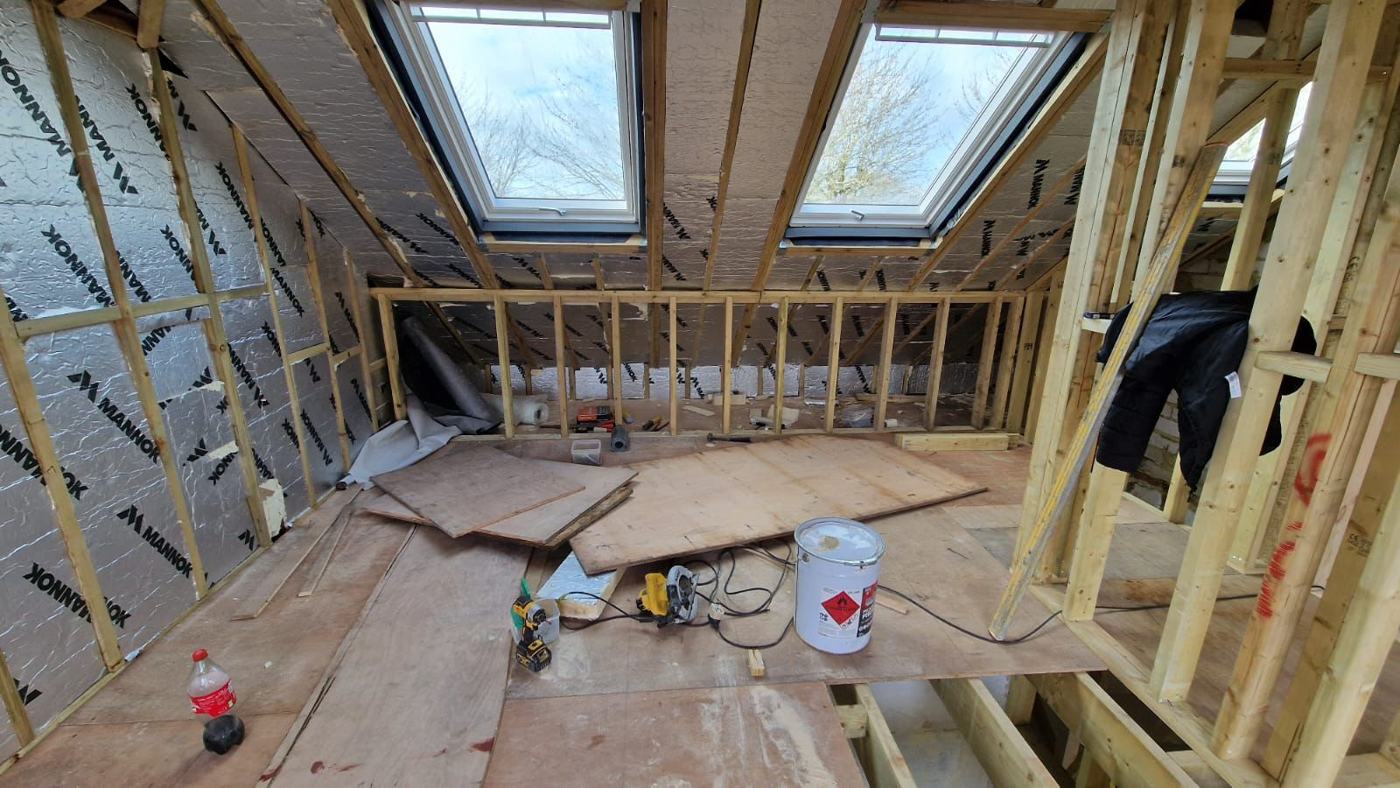
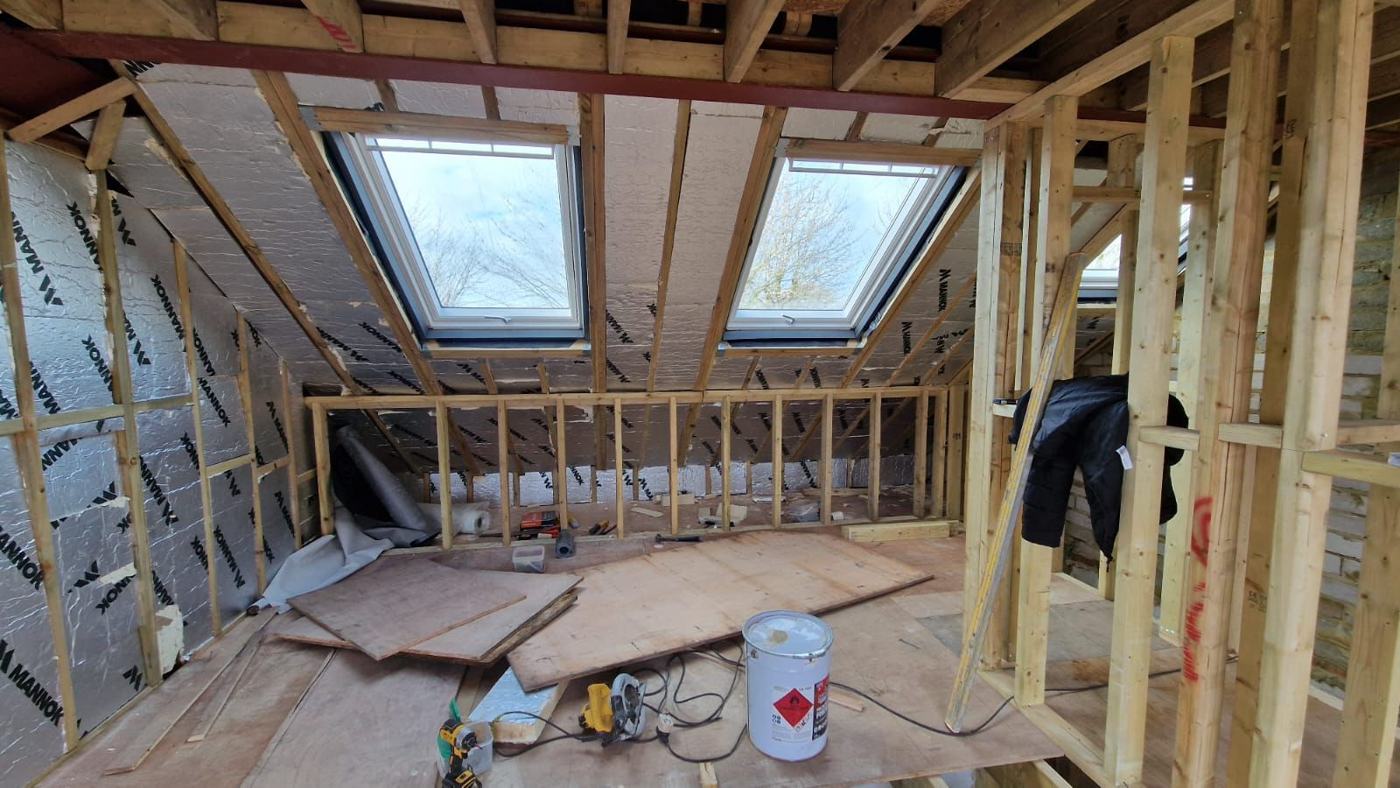
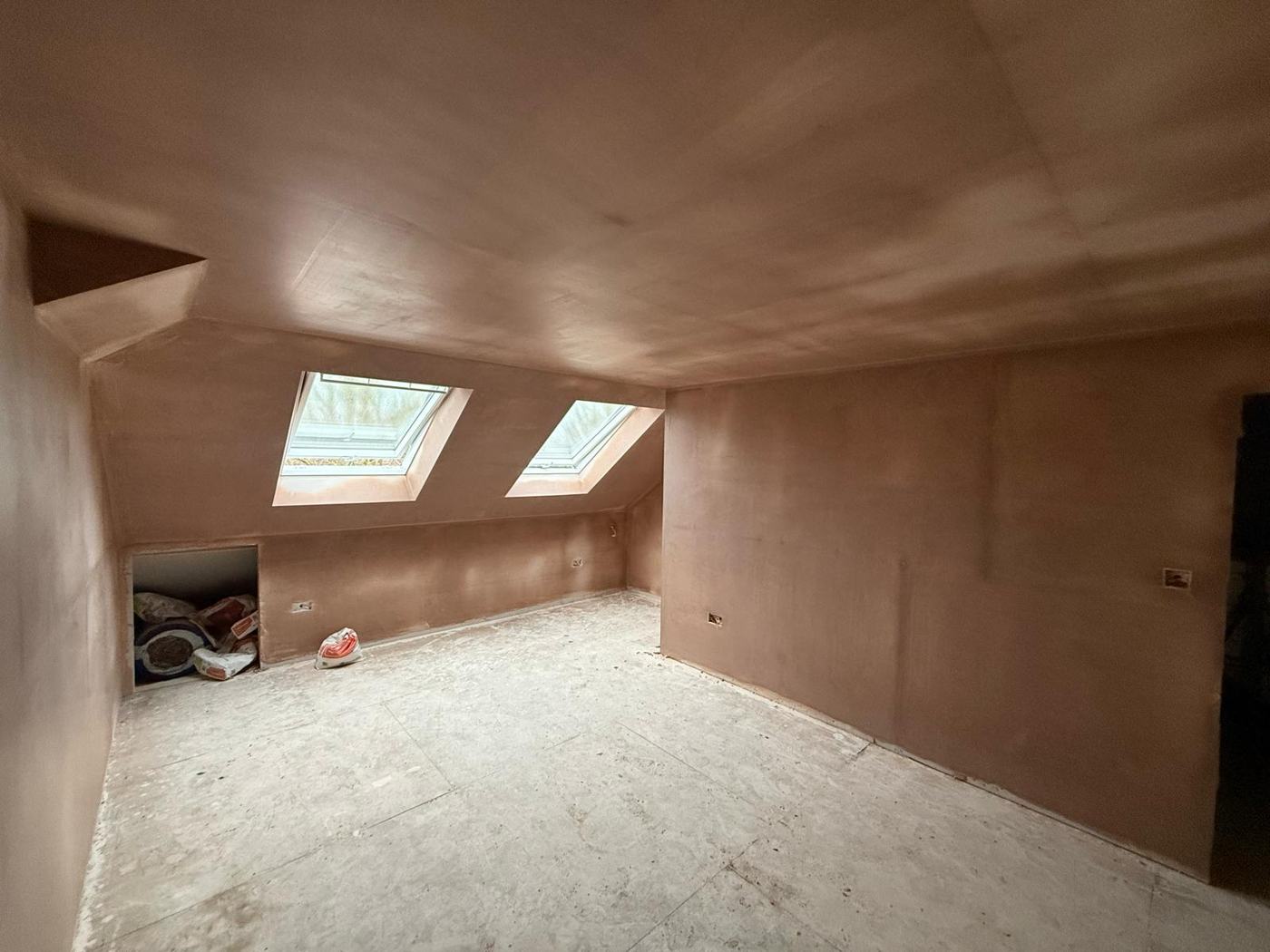
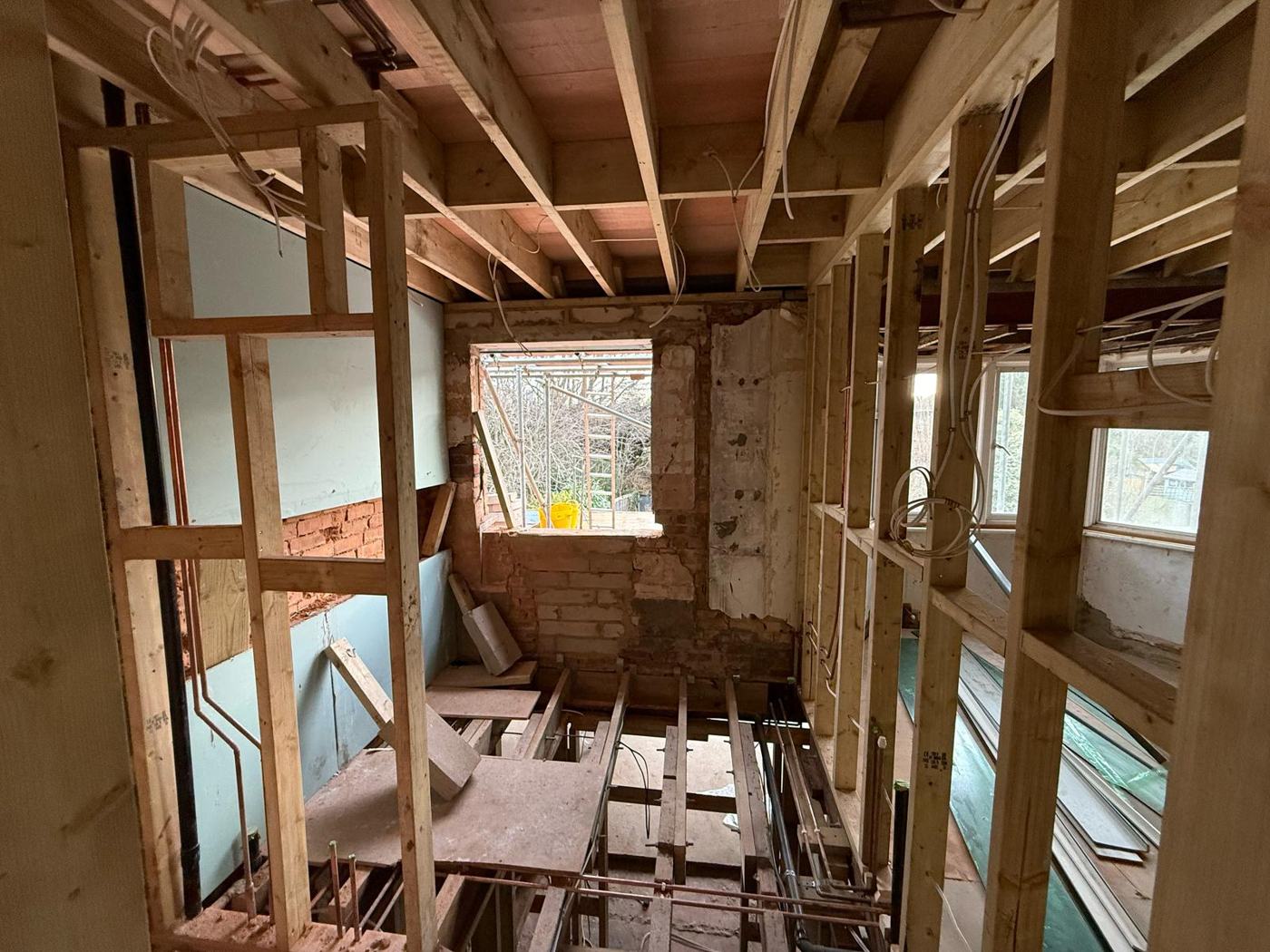
Photos from an rcbGroup loft conversion on site: new rafters, roof windows fitted, timber framing and insulation, then boarded out ready for plaster.
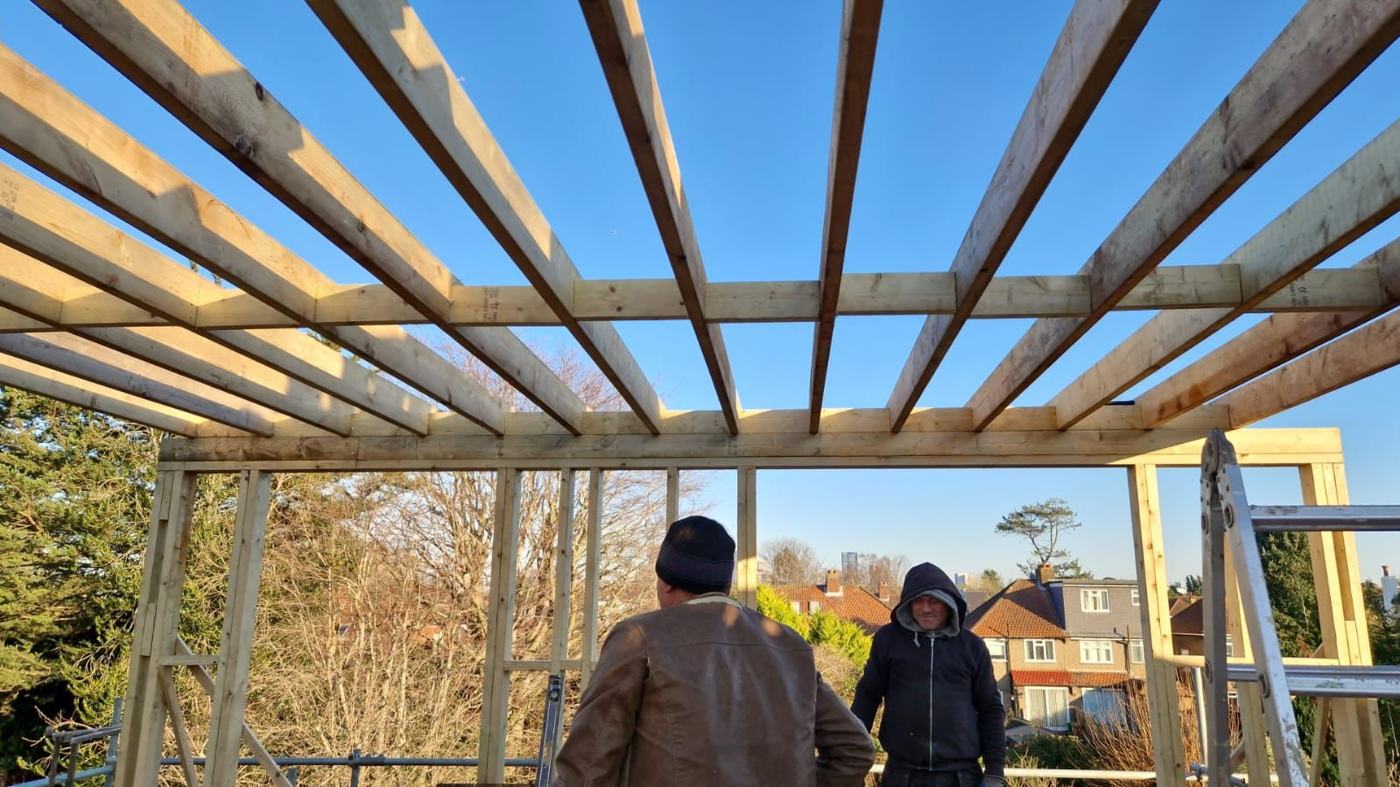 Work in progress
 Work in progress
 Work in progress
 Work in progress
 Work in progress
 Work in progress
Design visuals from our projects
3D visuals prepared for rcbGroup residential projects — bedrooms, en-suites and double-height spaces of the kind a loft conversion or reconfiguration can create. These are design renders, not photographs of finished work.
 3D design visual
 3D design visual
 3D design visual
 3D design visual
 3D design visual
 3D design visual
Types of Loft Conversion
The right type depends on your roof structure, head height, property type, and planning position. We advise at the project review.
Velux / Rooflight Conversion
Simplest typeDetached and semi-detached properties with good existing head height
The most straightforward conversion — roof windows are installed within the existing roof slope. No new roof structure. Best where head height is generous and maximum space is not required.
- ✓No change to roof shape
- ✓Always within Permitted Development
- ✓Least disruptive option
- ✓Best head height: 2.4m+ from ridge
Rear Dormer Conversion
Most popular in LondonVictorian and Edwardian terraced houses (the standard London conversion)
A box-shaped dormer extending from the rear slope of the roof. Creates vertical walls and windows, dramatically increasing floor area. The most common loft conversion type across London terrace houses.
- ✓Maximum floor area for terraced houses
- ✓Usually within Permitted Development
- ✓Flat roof with roof window or Juliet balcony
- ✓Party wall notice required
L-Shaped Dormer Conversion
Maximum terrace spaceVictorian terraced houses with a rear back addition / outrigger
A rear dormer combined with a dormer over the outrigger (back addition), creating an L-shape when viewed from above. Delivers the maximum loft space possible on a standard terraced property.
- ✓Maximum space for terraces with outriggers
- ✓Two dormer areas (main roof + outrigger)
- ✓Party wall notices on both sides
- ✓Usually within Permitted Development
Hip-to-Gable Conversion
Best for semi-detachedSemi-detached and detached houses with hipped roof ends
The hip end (sloping side) is replaced with a vertical gable wall, opening up a much larger loft space. Almost always combined with a rear dormer for a full conversion.
- ✓Increases loft volume significantly
- ✓Usually within Permitted Development for semis
- ✓Always combined with rear dormer
- ✓Party wall notice required
Mansard Conversion
Highest volumeVictorian terraced houses in central and west London, Conservation Areas
The entire rear slope is rebuilt as a near-vertical (70°) face with a flat top. Creates the maximum possible volume. Common in Central and West London. Usually requires full planning permission.
- ✓Maximum volume of any conversion type
- ✓Usually requires full planning permission
- ✓Grey zinc or lead cladding typical
- ✓Most expensive type
What Might Your Loft Conversion Cost?
Use the estimator to get a rough idea of your budget range before booking a survey. Adjust the type, size, and finish level to see how costs change.
Loft Conversion Estimator
Adjust the options to get a quick ballpark — not a quote, but a useful starting point.
Want more detail? Try the full cost calculator →
What's Included
A complete rcbGroup loft conversion package — everything from structural engineer to Building Control sign-off.
Standard Exclusions
Common Associated Works
Most loft conversions include associated works on the existing property. It's efficient to complete these at the same time — same trades, same programme.
En-Suite Bathroom
Almost every loft conversion includes a new en-suite shower room or bathroom. Client supplies all second-fix materials (suite, tiles, fittings). rcbGroup installs.
Staircase
A proper staircase is required. In many London terraces, accommodating the loft stair requires reconfiguring the first-floor layout — sometimes with a structural alteration.
Consumer Unit Upgrade
Adding circuits for the new loft may require upgrading the main distribution board. We advise during the pre-construction stage.
First Floor Refurbishment
With scaffold up and trades on site, many clients refurbish the existing first-floor bathroom and landing at the same time. Efficient use of the disruption period.
How It Works
Project Review
We visit the property, assess feasibility, measure up, and understand your brief. No obligation.
Itemised Estimate
Itemised estimated quotation, with inclusions and exclusions shown. We clarify planning position, party wall requirements, and Building Control route.
Pre-Construction
Architect drawings, Structural Engineer, PD/LDC or planning application, Building Regs submission. We coordinate everything.
Build & Sign-Off
Structured programme, dedicated site manager, Building Control inspections managed, Completion Certificate issued.
Speak to the team today
Not sure which loft conversion is right for your home?
Call us — we advise on the right type, planning route and realistic budget. No commitment required.
Loft Conversion FAQs
Does a loft conversion need planning permission?▼
Can every property have a loft conversion?▼
Do I need to move out during a loft conversion?▼
Do I need a party wall agreement for a loft conversion?▼
How much does a loft conversion add to my property value?▼
Independently reviewed
Read what clients say — in full, with our replies — on Checkatrade and Google.
Ready to Add a Bedroom and Bathroom?
Book your project review. We visit the property, confirm feasibility, and give you an itemised estimated quotation. No obligation.