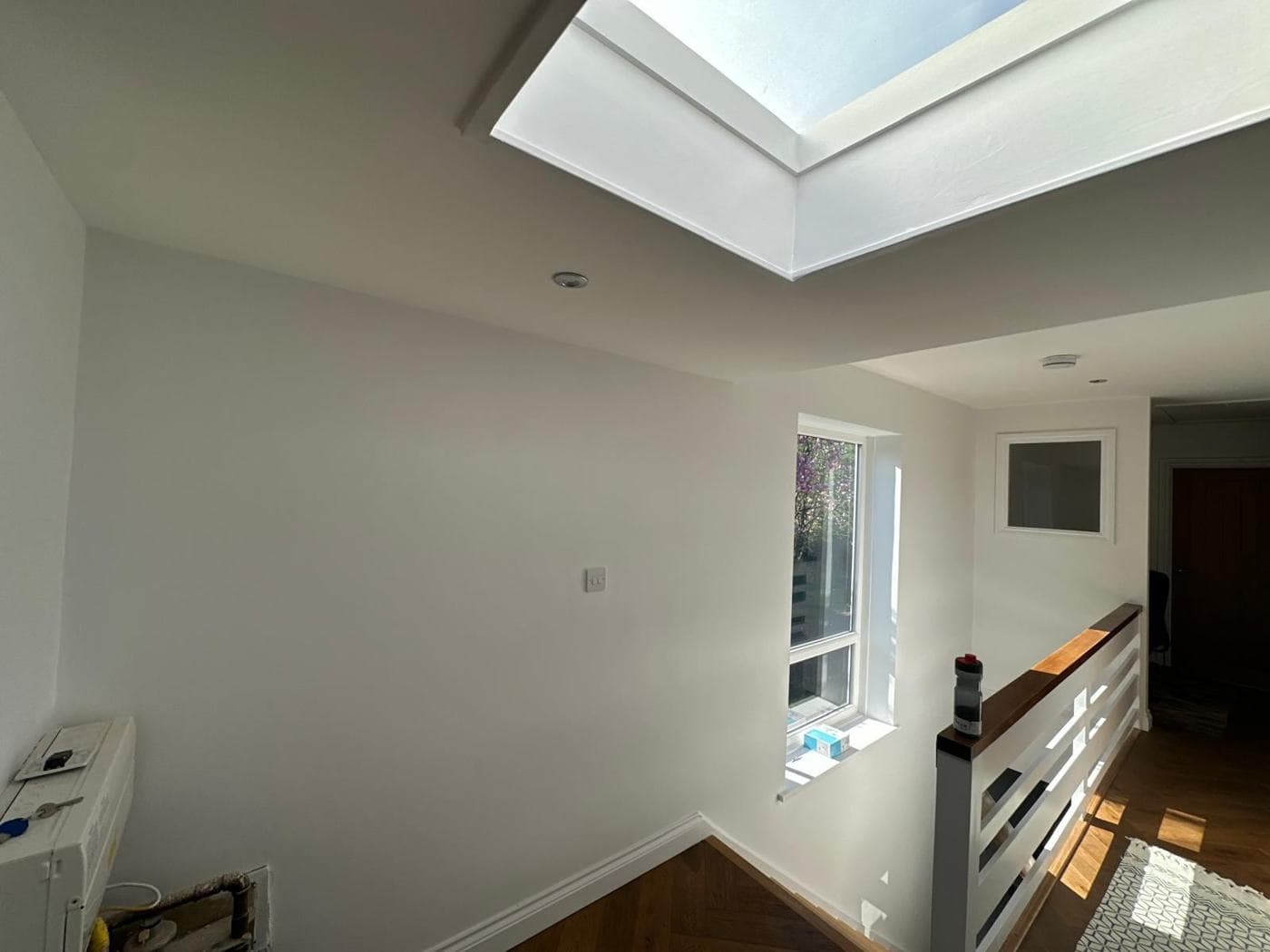
Energy efficiency improvements have moved from a niche interest to a mainstream priority for London homeowners. Rising energy bills, increasing awareness of environmental impact, and the growing importance of EPC ratings in property valuations have all contributed to a surge of interest in making homes use less energy. But with a wide range of possible measures, understanding what to prioritise and what order to do things in can make a significant difference to both the impact and the cost.
The hierarchy of energy efficiency improvements for most UK homes follows a logical sequence, starting with the improvements that have the greatest impact for the lowest cost, and working toward the more expensive interventions that become most effective once the basic fabric of the building is improved.
Draught-proofing is typically the starting point. Eliminating unwanted air infiltration through gaps around windows, doors, pipes, floorboards, and loft hatches is inexpensive and can reduce heat loss noticeably. This should be done before any heating system changes, as the heating load calculation depends on the air tightness of the building.
Loft insulation is the next priority for homes with accessible cold lofts. Heat rises and exits through the roof, so bringing loft insulation up to the recommended depth of two hundred and seventy millimetres of mineral wool is one of the most cost-effective measures available. This work typically costs a few hundred pounds and has a payback period of a few years.
Hot water cylinder insulation and pipe lagging are low-cost measures that can reduce heat losses from the hot water system. Many older homes have uninsulated hot water cylinders in airing cupboards that lose heat continuously.
Floor insulation, wall insulation, and window upgrades are the next tier of improvements, more expensive and with longer payback periods but significant in terms of total heat loss in older properties. The appropriate approach for walls depends on whether the walls are cavity or solid masonry.
Heating system upgrades, including replacement boilers, smart controls, or heat pumps, become most cost-effective once the fabric has been improved. A heat pump, in particular, works most efficiently in a well-insulated home because it delivers heat at a lower temperature than a conventional boiler and the building fabric needs to retain that heat effectively.
Solar panels and battery storage are often the final step, generating renewable electricity to reduce grid import and potentially export to the network. The return on a solar installation depends on consumption patterns, the orientation of the roof, and whether battery storage allows the household to use more of its own generated power.
rcbGroup incorporates energy efficiency measures into our refurbishment and extension projects as standard, helping clients improve the performance of their homes as part of the wider building programme.