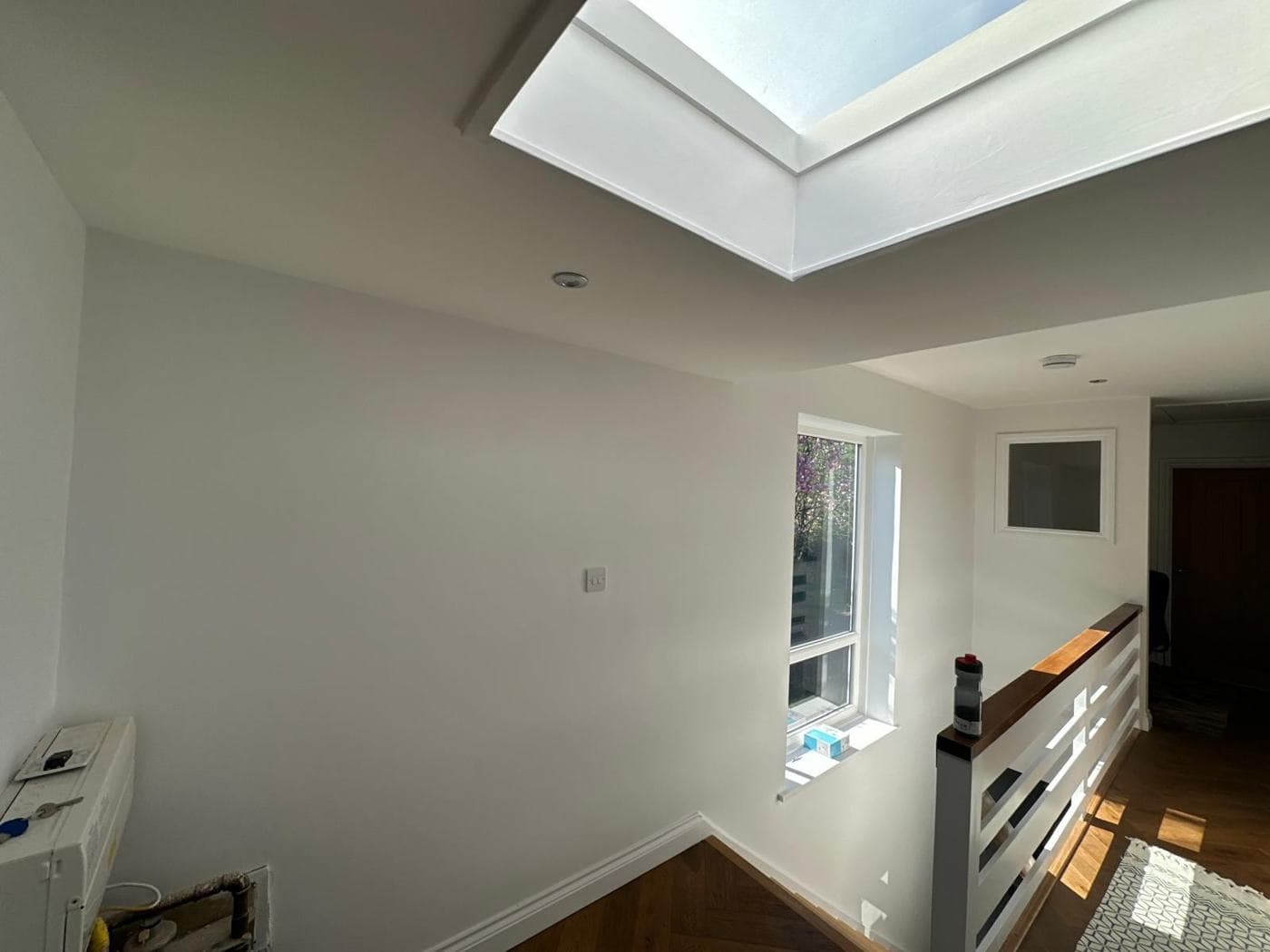
First Fix vs Second Fix — What's the Difference?
First fix and second fix are terms used throughout the UK construction industry to describe two distinct phases of electrical, plumbing, and carpentry work. Understanding the difference is useful for any homeowner managing or planning a renovation — particularly when it comes to programme, procurement, and understanding why certain things happen in a particular order.
First Fix
First fix refers to all the work that takes place before the walls and ceilings are plastered (or boarded and skimmed) — in other words, all the work that will be concealed within the structure.
First fix electrical includes: running cable from the consumer unit to every socket, switch, light fitting, and appliance position; installing back boxes for sockets and switches; running cables for any underfloor heating thermostats, smoke detectors, doorbell, or network points. The cables are left with tails at each point, ready for second fix once the plastering is complete.
First fix plumbing includes: running all pipework from the boiler or mains supply to every radiator, tap, shower, WC, and appliance connection point; installing the pipework for any underfloor heating manifold; running waste and soil pipes. Again, the pipework is capped or left with connections at each point, ready for second fix.
First fix carpentry includes: installing structural timber elements — stud walls, floor joists, roof timbers (if applicable), door linings, window boards, and any structural timber that will be covered by plasterboard.
Second Fix
Second fix refers to all the work that takes place after plastering is complete — in other words, all the visible, surface-mounted elements that require a finished, clean background.
Second fix electrical includes: installing socket faceplates, switch plates, and light fittings; connecting the consumer unit and testing and certifying the installation; connecting and testing all appliances.
Second fix plumbing includes: installing sanitary ware (baths, basins, WCs, showers); installing taps and shower heads; connecting radiators and hanging towel rails; installing the boiler and commissioning the heating system.
Second fix carpentry includes: hanging doors; fitting skirting boards and architraves; fitting kitchen and bedroom furniture; installing windowsills and shelving; fitting stair balustrades and handrails.
Why the Distinction Matters
The first/second fix distinction is important for programme sequencing — you cannot do second fix before plastering, and you cannot plaster before first fix is complete. Getting the sequence wrong delays the project.
It's also relevant for procurement. At rcbGroup, all second-fix materials are client-supplied unless specifically agreed otherwise. This means the client sources and procures their own sanitary ware, tap sets, light fittings, socket faceplates, kitchen units, skirting boards, and door furniture. Understanding which items fall into "second fix" helps clients prepare their procurement list at the right time — well before the second fix stage begins.