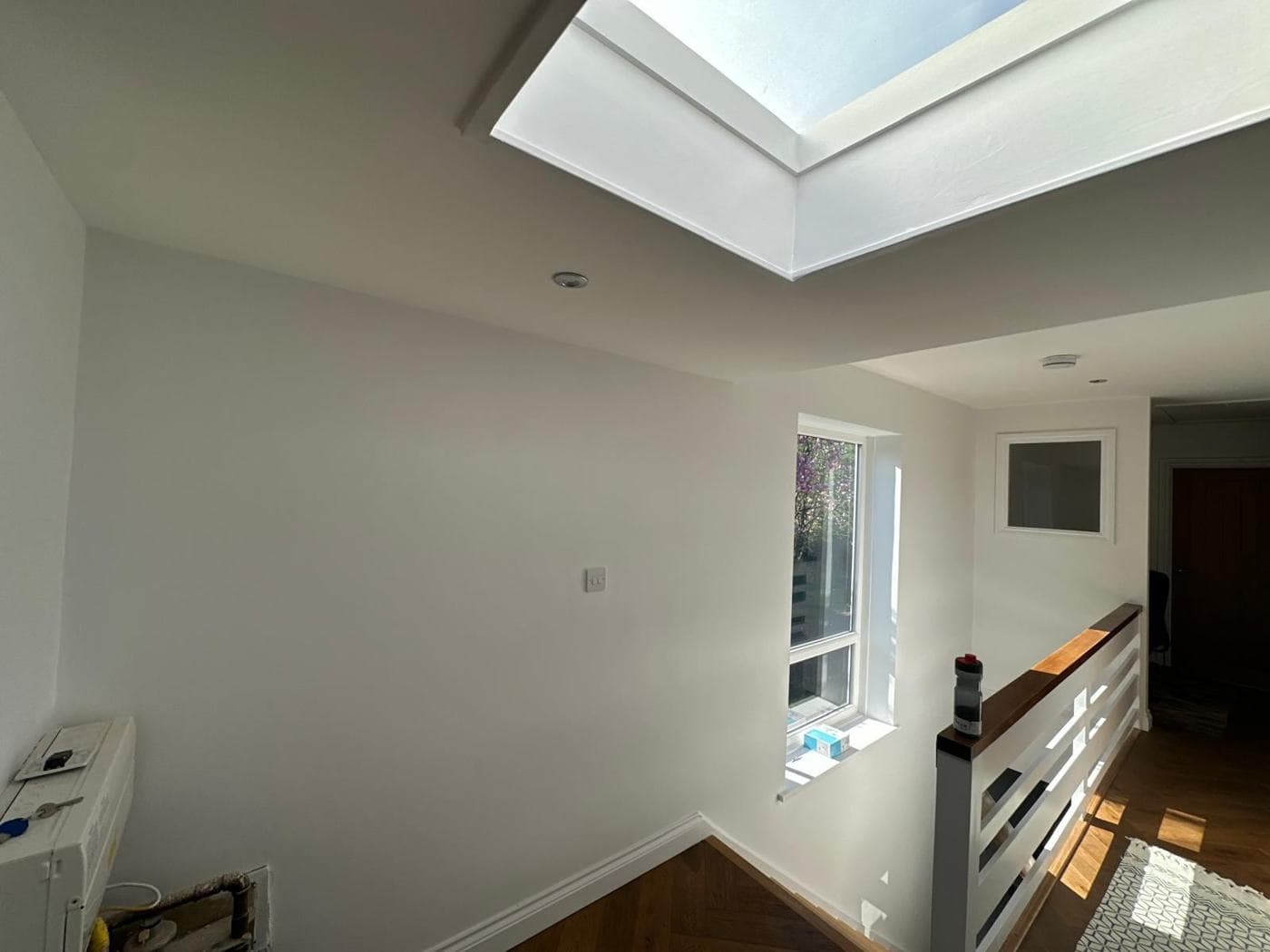
Finding the right builder is the most important decision in any home renovation project. The difference between a good and a poor choice of contractor can be the difference between a project that runs on time, on budget, and to a good standard — and a project that is abandoned half-finished, runs massively over cost, or produces substandard work that fails Building Control.
What to Look For
Verifiable references: Not just a name on a website. A builder who has genuinely satisfied previous clients should be willing to provide their contact details for a call. Ask the reference specifically about programme delivery, quality of finish, and whether they encountered any problems and how they were handled.
Online reviews from independent platforms: Google, Trustpilot, and similar platforms publish client reviews. A builder with 50+ reviews and a consistent rating above 9.0 has a proven track record. A builder with 50+ reviews and a consistent rating above 9.0 has a proven track record. Be sceptical of a small number of very positive unverified reviews.
Trade body or quality scheme registration: Recognised trade bodies vet members for quality and financial standing. Neither guarantees quality but provides a minimum standard.
Public liability insurance: Every contractor working on your property should have public liability insurance (minimum £2 million, ideally £5 million). Request a copy of the certificate before they start work.
A fixed-price quote in writing: A professional builder provides a written, itemised, fixed-price quote or detailed scope of works with associated costs — not a verbal estimate. The document should describe what is included, what is excluded, and the payment terms.
What to Avoid
Quotes that are suspiciously low: In London's construction market, significantly low prices come from somewhere — either the builder plans to make the difference through variations (unexpected additional charges mid-project), the specification will be compromised, or the builder is not viably solvent.
Requests for large cash deposits: A request for more than 10–15% upfront, especially in cash, is a red flag. Legitimate contractors have business accounts and invoice formally.
No written contract: Proceeding without a written contract removes your legal protection. Even a simple letter of agreement describing the scope, price, and payment terms provides more protection than nothing.
Pressure to start immediately: A reputable builder with genuine demand has a pipeline and books in advance. Excessive availability pressure ("I can start Monday") warrants scrutiny.
No Building Regulations or planning discussion: If a builder quotes for notifiable work without mentioning Building Regulations or planning, they either plan to ignore the statutory requirements or are unaware of them. Both are problems.
How to Get Quotes
Obtain three quotes for comparable projects. Compare them on:
- Scope included (are all three quoting the same scope?)
- Exclusions (what's not included?)
- Assumptions (what are the cost unknowns?)
- Programme (how long will it take?)
- Payment terms (what are the milestones?)
Do not automatically choose the cheapest — choose the quote that is most complete, most transparent, and most clearly from a contractor you trust.
rcbGroup
rcbGroup provides detailed, itemised scope of works documents for all projects — fully itemised, with clear exclusions, assumptions, and payment milestones. We carry 10/10 from 117+ verified Checkatrade reviews.