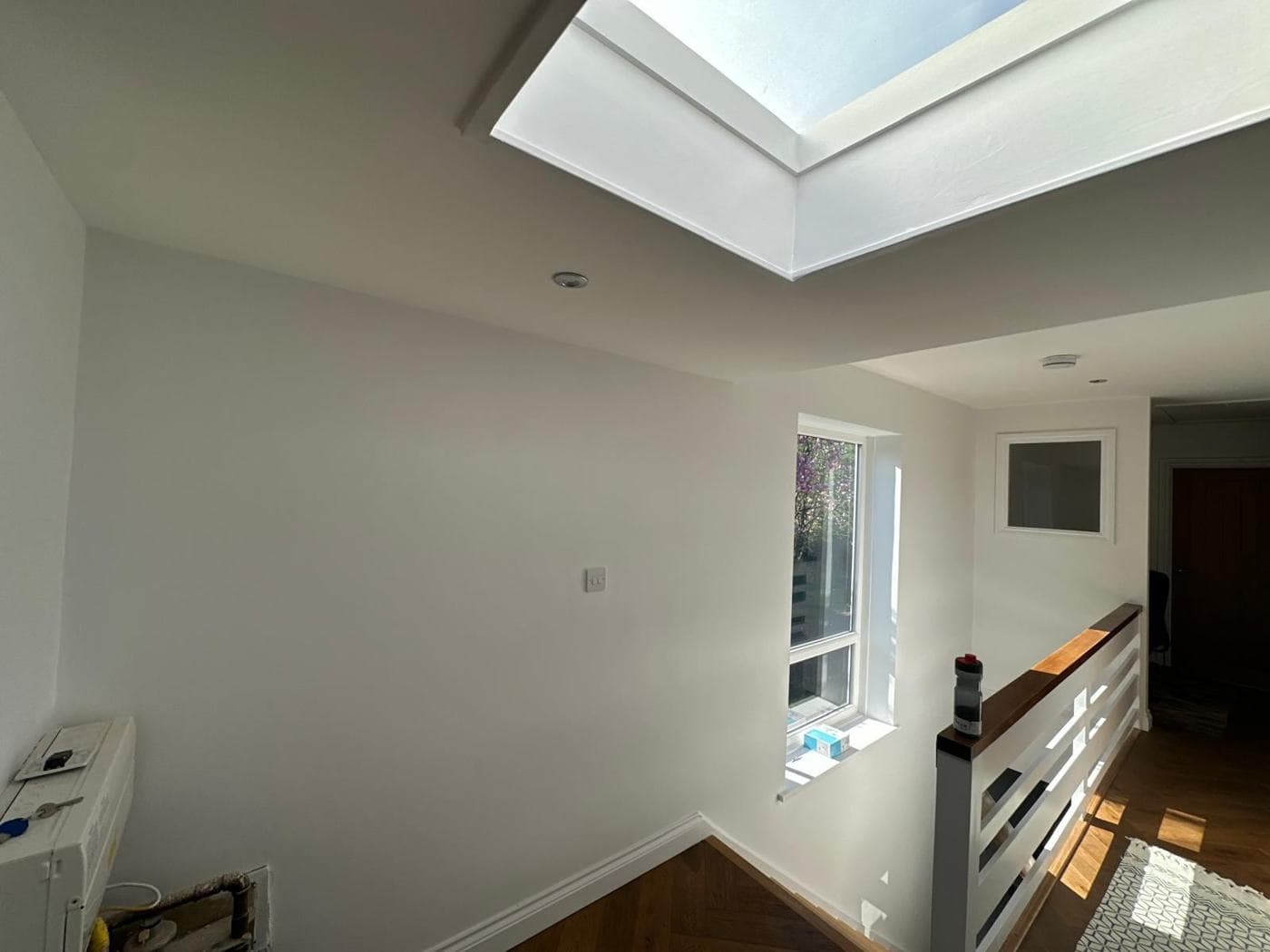
What Is a Listed Building?
A listed building is one that has been designated by Historic England as being of special architectural or historic interest. In England, there are approximately 400,000 listed buildings. They are classified into three grades:
- Grade I: Buildings of exceptional interest (around 2% of all listed buildings)
- Grade II*: Particularly important buildings (around 6%)
- Grade II: Nationally important buildings warranting effort to preserve (around 92%)
Many London terraced streets, Georgian townhouses, Victorian schools, and industrial buildings are listed. If you are unsure whether your property is listed, you can check on the Historic England National Heritage List for England.
What Is Listed Building Consent?
Listed Building Consent (LBC) is a form of planning permission specifically required for works to a listed building that affect its character as a building of special architectural or historic interest.
Unlike standard planning permission, LBC can be required for:
- Internal changes, including removing or altering historic features
- Replacing windows or doors
- Installing new cabling, pipework, or heating systems
- External alterations of any kind
- Demolition of any part of the building
There is no de minimis threshold — even small changes can require consent if they affect the significance of the building.
When You Do Not Need LBC
Genuinely like-for-like repairs using the same materials and methods typically do not require LBC. However, changes to materials (for example, replacing lime mortar with cement) can be considered an alteration requiring consent even if the visual result appears similar.
Always check with the local planning authority's conservation officer before carrying out any works to a listed building.
The LBC Application Process
A Listed Building Consent application is submitted to the local planning authority (the same authority that handles planning applications). The process involves:
Pre-application consultation: Strongly recommended. The conservation officer can advise on what is and is not acceptable before you invest in full drawings.
Heritage impact assessment: For significant works, a heritage consultant may need to produce an assessment of the impact of the proposed works on the significance of the building.
Application submission: Drawings, a heritage statement, and supporting documentation are submitted through the Planning Portal.
Statutory consultation: Historic England is consulted on Grade I and Grade II* buildings. For Grade II, consultation is primarily with the local conservation officer.
Determination: The statutory determination period is 8 weeks, though complex cases may take longer.
Conditions Attached to LBC
Consent is typically granted with conditions, which may include:
- Approval of samples of materials before work starts
- Approval of method statements for specific elements
- Retention of specific historic features
- Photographic recording of existing elements before removal
- Supervision by a heritage consultant during works
Penalties for Unauthorised Works
Carrying out works to a listed building without consent is a criminal offence. Penalties include unlimited fines and up to two years' imprisonment. There is no statute of limitations for listed building offences — unauthorised works from decades ago can still be prosecuted.
If you buy a property and discover that previous owners carried out unlawful works, you may be required to rectify them at your expense.
Working With Contractors on Listed Buildings
Not all contractors have experience of listed building work. The approach to materials, methods, and detailing is fundamentally different from standard refurbishment. Key requirements typically include:
- Use of traditional lime mortars rather than cement
- Retention and repair of historic joinery rather than replacement
- Specialist window restoration rather than replacement
- Understanding of traditional construction methods
rcbGroup
rcbGroup has experience of works within and adjacent to listed buildings and Conservation Area properties in London. We work with conservation architects and heritage consultants to ensure that design proposals are appropriate and that consent is secured before work begins.