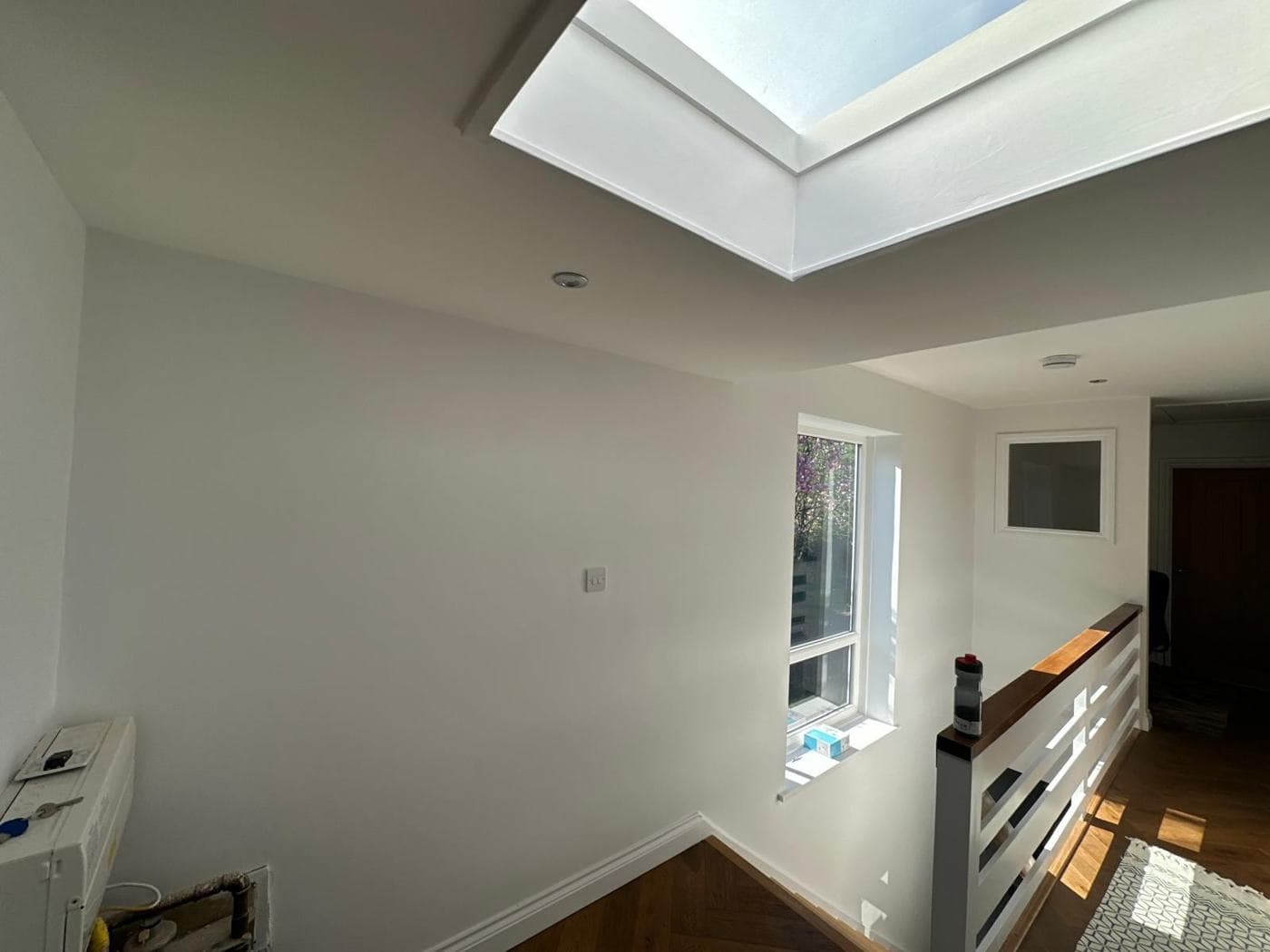
An Energy Performance Certificate (EPC) rates the energy efficiency of a property on a scale of A to G, with A being the most efficient. EPCs are required when a property is built, sold, or rented, and are valid for 10 years. As energy costs have risen and policy pressure on carbon emissions has increased, the EPC rating of a London home has taken on growing financial and practical significance.
How EPC Ratings Are Calculated
An EPC is produced by an accredited Domestic Energy Assessor (DEA) following a survey of the property. The assessor collects data on:
- Wall type and insulation
- Roof type and insulation
- Floor type and insulation
- Window type and glazing
- Heating system type and age
- Heating controls
- Hot water system
- Lighting
- Renewable energy systems
This data is entered into the Standard Assessment Procedure (SAP) calculation, which produces a numerical score (1–100) and a letter rating.
| Rating | Score | Interpretation |
|---|---|---|
| A | 92–100 | Excellent energy performance |
| B | 81–91 | Very good |
| C | 69–80 | Good |
| D | 55–68 | Average |
| E | 39–54 | Below average |
| F | 21–38 | Poor |
| G | 1–20 | Very poor |
Where London Homes Typically Fall
The majority of London's Victorian and Edwardian housing stock sits at D or E. The combination of solid walls (no cavity insulation), single or poor double glazing, and older heating systems places most pre-1950 London terraces well below the C threshold.
Properties built from the 1990s onwards (with cavity insulation and gas central heating as standard) typically achieve D or C. Modern new-build properties typically achieve B or occasionally A.
Why EPC Rating Matters More Now
Selling: Since 2008, an EPC must be available to potential buyers. Buyers increasingly factor energy efficiency into purchase decisions and mortgage lenders have begun offering better rates for higher-rated properties.
Renting: Since 2020, rental properties in England must have an EPC rating of E or above to be legally let. The government has signalled an intention to require C or above for new tenancies — the implementation date has been deferred but the direction of travel is clear. Landlords of London rental properties with D or E ratings face the prospect of either improving the property or being unable to let it.
Mortgages: Green mortgage products (typically offering lower interest rates for properties above a certain EPC threshold) are now offered by most major lenders. For a London home worth £500,000, even a 0.1% rate reduction on a £350,000 mortgage saves approximately £3,500 over a five-year fixed term.
Retrofit grants: Government grant schemes for energy efficiency improvements are typically targeted at properties with lower EPC ratings. An EPC below C is often the qualifying condition.
The Biggest EPC Improvements for London Homes
1. Loft insulation: If your loft has less than 270mm of mineral wool insulation, topping up is the single cheapest improvement with the fastest payback. Modern SAP calculations reward good loft insulation significantly. Cost: £300–£800 installed.
2. Cavity wall insulation: Properties with unfilled cavity walls (typically 1930s–1980s construction) can have insulation injected through the external brick face. One of the most cost-effective EPC improvements available. Cost: £800–£1,500 for a typical semi-detached house. Note: Only appropriate for properties with a clear, continuous cavity in good condition — check with a surveyor first.
3. Solid wall insulation: Victorian and Edwardian terraces have solid walls (no cavity). Either external wall insulation (EWI) or internal wall insulation (IWI) is required to improve the U-value. Both are more expensive and more disruptive than cavity fill. Cost: £8,000–£20,000+ depending on area treated.
4. Boiler replacement: Replacing a pre-2005 boiler with a modern condensing combi or system boiler significantly improves the heating efficiency rating. Cost: £2,000–£4,000 installed.
5. Double or triple glazing: Upgrading from single-glazed windows to double-glazed contributes to the EPC rating, though not as much as insulation improvements. Replacing poor 1980s double glazing with modern low-E argon-filled units also helps. Cost: varies widely — see the window replacement guide.
6. Heating controls: A smart thermostat, zone controls, and TRVs on all radiators improve the controls rating in the SAP calculation. Cost: £300–£800 installed.
7. Heat pump installation: An air source heat pump replacing a gas boiler can improve an EPC rating significantly in the SAP calculation, particularly when combined with underfloor heating (which operates at the low flow temperatures that maximise heat pump efficiency). Cost: £8,000–£15,000.
8. Solar photovoltaic panels: Generating electricity on-site contributes to the EPC rating. Cost: £5,000–£10,000 for a typical residential system.
Getting an Updated EPC
If you have made improvements to your property, commission a new EPC to reflect the updated condition. An updated certificate from an accredited DEA costs £60–£120. If the improvements are substantial, a new certificate may unlock mortgage benefits, confirm rental compliance, or support a better sale price.
rcbGroup
rcbGroup incorporates energy efficiency improvements into refurbishment and extension projects, advising on the insulation, heating, and glazing specifications that will most improve your EPC rating. Contact us to discuss your property's energy performance as part of a wider project.