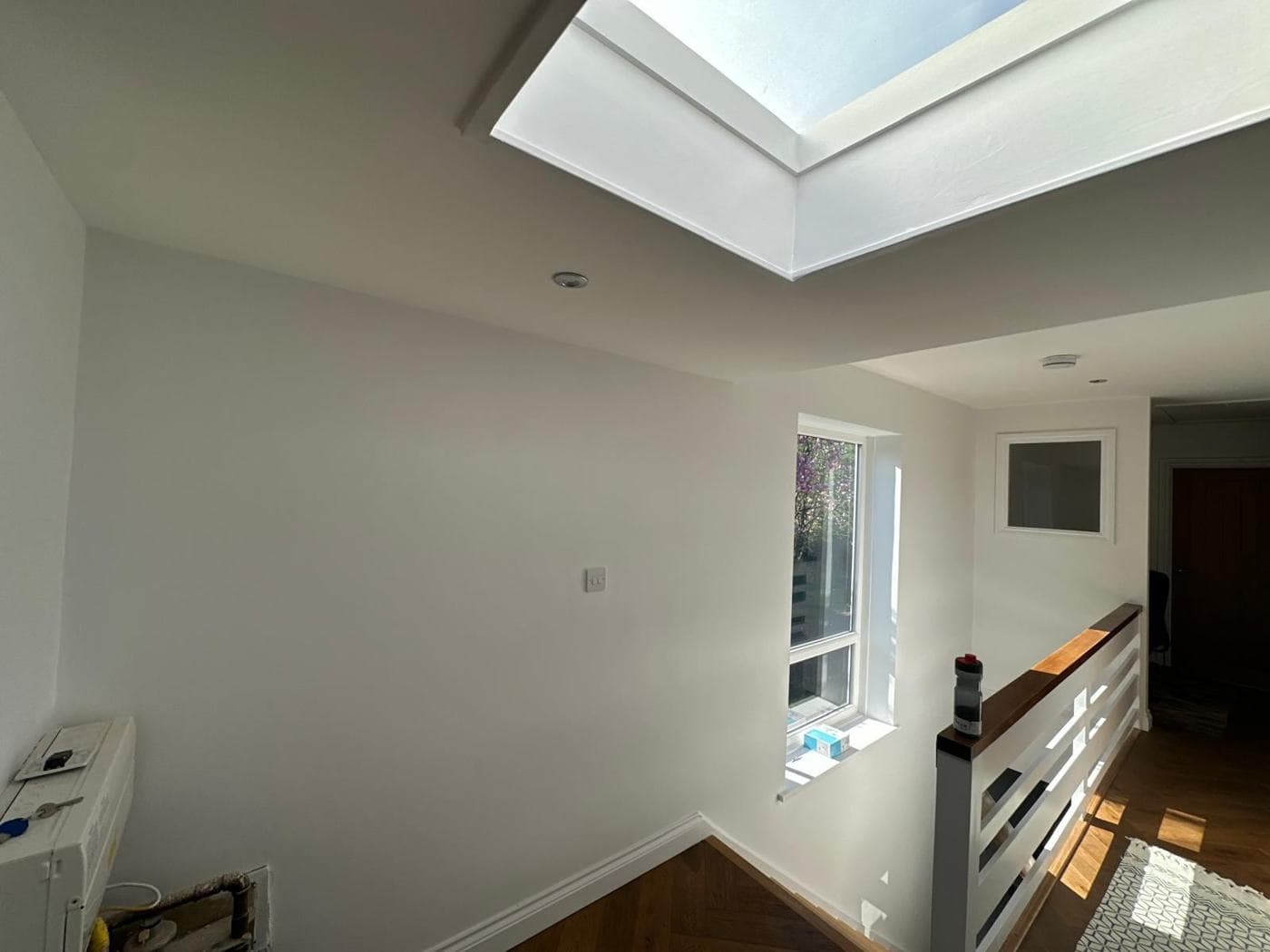
What Is Practical Completion?
Practical completion (PC) is the point at which the works are complete for all practical purposes — the building is habitable and fit for its intended use. It is a formal milestone under most building contracts.
Practical completion does not mean perfection. It means the works are substantially complete, any remaining defects are minor, and the client can take possession and use the building.
At practical completion:
- The client takes possession of the completed works
- The main period of contractor's on-site responsibility for the build ends
- The defects liability period (also called the rectification period) begins
- Any retention held back from interim payments is partially released (typically half at PC, the remainder at the end of the defects liability period)
- Insurance responsibility shifts from the contractor to the client (for buildings insurance)
The Snagging Process
Before practical completion is certified, a snagging inspection should be carried out. A snagging list is a written record of minor defects, incomplete items, or items not installed to the specification.
Who carries out the snagging inspection?
- The client and/or the contract administrator (architect or project manager) inspect the works
- The contractor's site manager accompanies the inspection
- All items are noted and agreed in writing
What goes on a snagging list?
Typical snagging items include:
- Minor paint defects (runs, misses, marks)
- Door or window adjustments (not closing smoothly)
- Missing or incorrectly fitted hardware (handles, hinges, locks)
- Grouting or tile defects
- Gaps at skirting boards or architrave junctions
- Silicon sealant quality or coverage
- Floor damage during construction (scratches to engineered timber)
- Missing or incomplete fit items (toilet roll holders, towel rails)
What does NOT go on a snagging list?
- Major incomplete works — these prevent practical completion from being certified
- Works that are contrary to the specification — these are defects, not snags
- Client changes of mind — additional works require a variation instruction
The Defects Liability Period
The defects liability period (DLP) is typically 6–12 months after practical completion (specified in the contract). During this period:
- The client must notify the contractor of any defects in writing
- The contractor is obliged to return and rectify notified defects at their own cost (unless the defect is due to client misuse or fair wear and tear)
- At the end of the DLP, the contract administrator issues a Certificate of Making Good Defects (or equivalent) and the remaining retention is released
Retention
Retention is a percentage (typically 3–5%) of each interim payment withheld as security against defects. It is not a penalty — it is a contractual protection.
- At practical completion: half the retention is released
- At the end of the defects liability period: the remainder is released
Example: A £100,000 contract with 5% retention:
- Total retention held through the build: £5,000
- Released at PC: £2,500
- Released at end of DLP (if all defects rectified): £2,500
Building Control Final Certificate
For works subject to Building Regulations, the Building Control inspector will carry out a final inspection after practical completion and issue a Completion Certificate (for local authority Building Control) or Final Certificate (for a Registered Building Control Approver).
This document confirms the works comply with the Building Regulations. It is essential for:
- Sale of the property
- Mortgage purposes
- Confirming compliance with the Building Regulations
What to Do If the Contractor Refuses to Return
If the contractor fails to return to rectify snagging or DLP defects:
- Issue a written notice specifying the defects and a reasonable deadline for rectification
- If they fail to respond, serve formal notice that you intend to engage another contractor to carry out the works and deduct the cost from any outstanding sum (including retention)
- If there is no outstanding sum and the contractor still refuses, Small Claims Court is appropriate for amounts up to £10,000; the Technology and Construction Court for larger amounts
rcbGroup
rcbGroup carries out a pre-handover inspection before issuing a practical completion notice, resolving all foreseeable snagging items before the formal handover. We provide a full handover pack including as-built drawings, warranties, guarantees, Building Control certificates, and operating instructions.