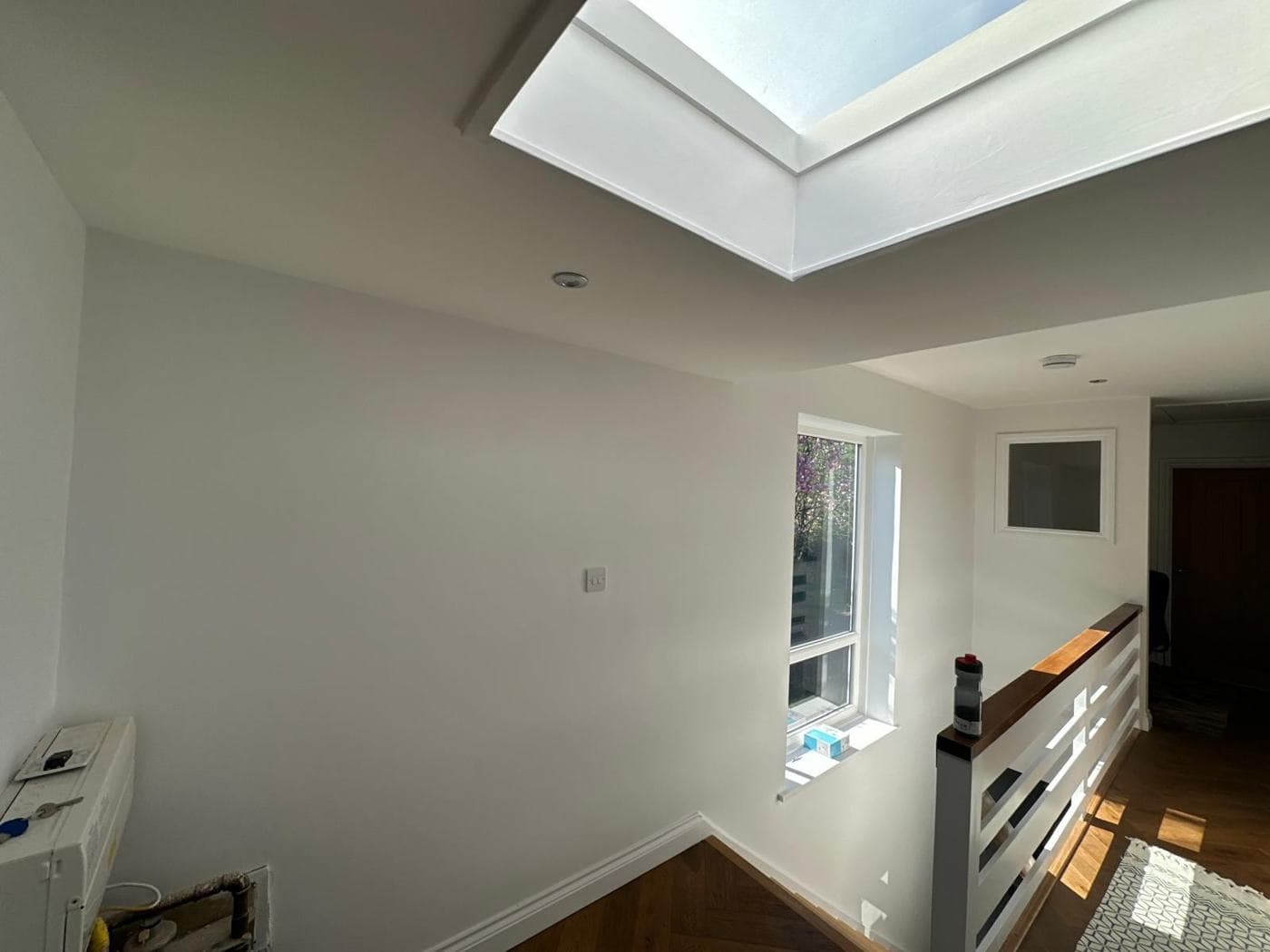
Window replacement is one of the most common home improvement projects in London — yet the choice of material, specification, and supplier is frequently rushed. The windows you install will be in your home for 25–35 years. Getting the decision right matters.
The Planning Position First
Before choosing a material, confirm whether your property has any planning constraints on window design:
Conservation Areas: In many London Conservation Areas, replacing original sash windows with non-authentic designs (particularly uPVC) requires planning permission that is frequently refused. Timber sliding sash replacements or restoration are strongly preferred.
Listed Buildings: Any change to original windows in a Listed Building requires Listed Building Consent. Replacement is almost always refused unless the originals are beyond repair.
Article 4 Directions: Some London boroughs have removed Permitted Development rights for window replacement in specific areas — requiring planning permission even for standard replacements.
In most London properties outside these constraints, window replacement is Permitted Development (no planning permission required) provided the new windows are of a similar appearance to those being replaced.
Always check with your local planning authority or an architect before replacing windows in Conservation Areas or older London terrace properties.
uPVC Windows
The most widely used window material in the UK by volume. PVC-U (unplasticised polyvinyl chloride) window frames are extruded in sections and welded at corners.
Advantages:
- Lowest upfront cost
- Virtually maintenance-free — no painting required
- Good thermal performance with modern multi-chamber profiles
- Wide range of styles and colours
- Long manufacturer guarantees (typically 10 years on sealed units, longer on frames)
Disadvantages:
- Sightlines are thicker than timber or aluminium — proportions can look bulky
- Aesthetics are generally considered less appropriate for Victorian and Edwardian property
- Period-accurate sliding sash operation is more difficult to achieve convincingly in uPVC
- Some London planning officers specifically exclude uPVC from approved materials in character areas
- Sustainability concerns — PVC production and end-of-life disposal are not as clean as timber
Best for: 1930s–1980s properties, new builds, properties outside conservation areas where matching original character is not a priority.
Approximate cost (double-glazed casement, supply and fit): £400–£700 per window
Timber Windows
Traditional timber windows are the authentic choice for London's Victorian and Edwardian housing stock. Modern engineered timber windows (using finger-jointed laminated timber, typically Accoya or similar) significantly outperform the original single-piece softwood in terms of durability and moisture resistance.
Advantages:
- Authentic appearance — appropriate for period properties and Conservation Areas
- Can be manufactured to precisely replicate original profiles
- Excellent thermal performance with modern sealed units
- Genuinely sustainable (timber is a renewable material)
- Can be painted any colour, repainted, and repaired — a maintained timber window lasts 50–80 years
- Sliding sash operation is standard — indistinguishable in appearance from original single-glazed sashes
Disadvantages:
- Higher initial cost than uPVC
- Requires periodic maintenance — repainting every 5–8 years, checking putties and seals
- Engineered timber windows from reputable UK manufacturers have lead times of 8–12 weeks
- Poor-quality timber windows (thin profiles, inadequate treatment) can deteriorate quickly
Best for: Victorian, Edwardian, and Georgian London properties; Conservation Areas; properties where authentic appearance is important; clients prepared to maintain windows over the long term.
Approximate cost (double-glazed timber sash, supply and fit): £1,000–£2,000 per window
Aluminium Windows
Slim-profile powder-coated aluminium windows are the choice of contemporary architecture and high-end residential projects. Modern aluminium window profiles with thermal breaks have overcome the energy efficiency concerns of older aluminium systems.
Advantages:
- Extremely slim sightlines — maximum glass area, minimal frame
- Strong, durable, and low-maintenance (no painting — powder coat lasts 25+ years)
- Available in any RAL colour, including dual colour inside/outside
- Excellent for contemporary glazed extensions, floor-to-ceiling glazing, and large-format windows
- High-performance thermal systems available that meet or exceed Passive House standards
Disadvantages:
- Higher cost than uPVC and comparable to or more than timber
- Not typically appropriate for Victorian sash window replacements (profile not authentic)
- Harder to repair on site if damaged (specialist fabricator usually required)
Best for: Contemporary extensions, new additions to period properties where the contrast between old and new is part of the design, high-end residential refurbishment.
Approximate cost (double-glazed aluminium casement, supply and fit): £800–£1,800 per window
Sash Windows: Restoration vs Replacement
For Victorian and Edwardian London terraces with original sliding sash windows, the choice between restoration and replacement deserves separate attention:
Restoration (overhauling the existing frame, replacing sash cords, overhauling weights, draught-proofing, reglazing with double-glazed units where practical):
- Cost: £300–£600 per window
- Retains original timber (which may be 150-year-old hardwood more durable than new softwood)
- Authentic in appearance
- Planning-neutral — no permission required
- Can significantly improve draught performance and thermal performance
Replacement with new timber double-glazed sash:
- Cost: £1,000–£2,000 per window
- Modern sealed units give better thermal performance than retrofitted double glazing into original frames
- New frames have known condition and treatment — less risk of hidden rot
- May require planning permission in Conservation Areas
For most London Victorian terraces in good condition, draught-proofing and restoration with secondary glazing or new sash units is the most cost-effective first step.
Building Regulations
All replacement windows must comply with Building Regulations Part L (energy efficiency). Current minimum requirements for replacement windows in existing dwellings are a whole window U-value of 1.6 W/m²K or better — achieved comfortably by all modern double-glazed windows. Triple-glazed windows achieve 0.8–1.0 W/m²K.
If you use a FENSA-registered window installer, they can self-certify compliance with Part L and provide a FENSA certificate — an important document when selling. If the installer is not FENSA-registered, you must notify Building Control and pay a fee.
rcbGroup
rcbGroup supplies and installs replacement windows across all property types in London, advising on material, specification, and planning implications. We work with trusted timber, aluminium, and uPVC suppliers and manage the full replacement including FENSA certification where applicable. Contact us to discuss your window project.