Introduction
"Will this add value?" is one of the most common questions homeowners ask before committing to a significant building project. For loft conversions in London, the answer is generally yes — but the amount, and whether it's positive once the build cost is accounted for, depends on several factors.
The Value Uplift Mechanism
A loft conversion adds value because it adds usable living space. In London's property market, bedroom count is one of the primary drivers of valuation — and a loft conversion that creates an additional bedroom and bathroom moves the property into a different market segment.
The underlying property value. Value uplift from an additional bedroom is proportionally larger in higher-value areas because the price per square foot and per bedroom is higher.
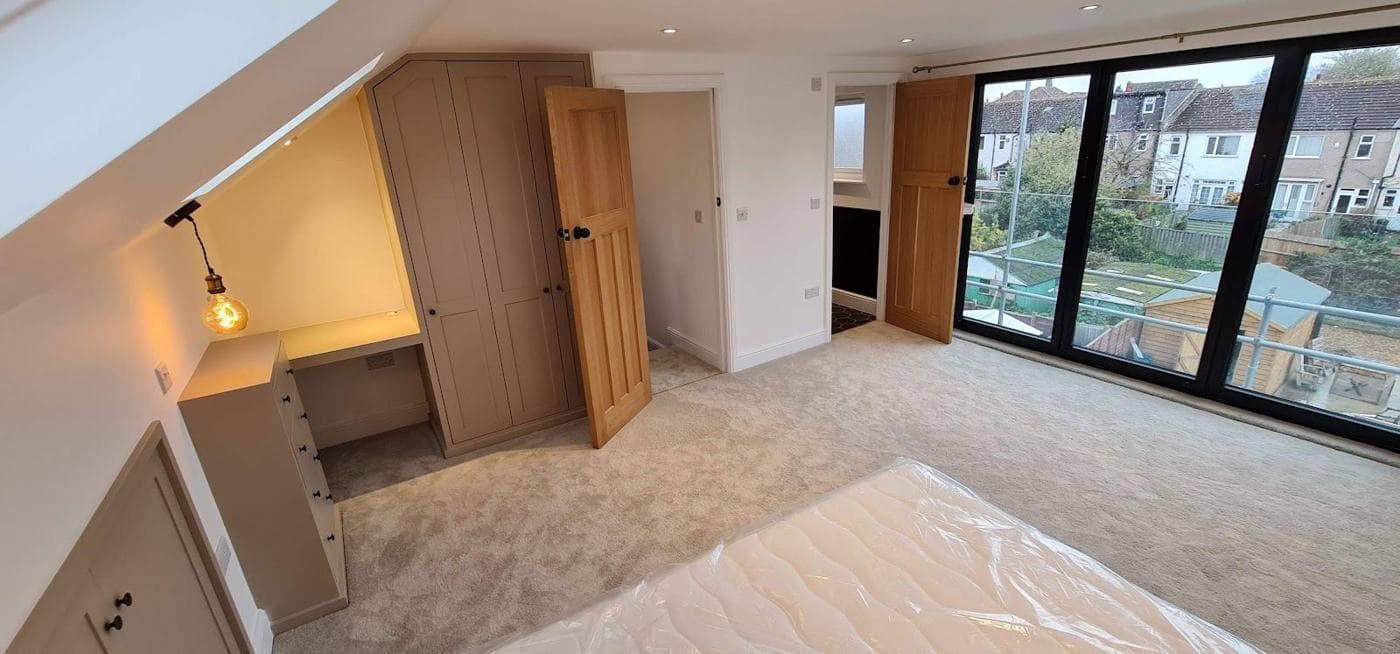
What the loft creates. A well-designed master bedroom suite with an en-suite bathroom and good natural light adds substantially more value than a cramped room with low head height and a basic velux window.
The quality of the work. Poor-quality loft conversions — uncertified, with inadequate head height or poor layout — may add less value than the build cost, particularly in higher-value markets where buyers are discerning.
Whether the property had a genuine room-count deficit. Converting a 4-bedroom house's loft adds proportionally less value than converting a 2-bedroom house into a 3-bedroom — because the most acute market demand tends to be at the 2-to-3 and 3-to-4 bedroom transition points.
What the Evidence Suggests
Various property market analyses have suggested that a loft conversion can add 10–20% to the value of a property. In high-value London markets, the absolute increase can be significant. However, these are broad averages. The actual value added depends heavily on the specific property, area, and quality of the conversion.
Making the Investment Work
The build cost must be comfortably below the value uplift. If a loft conversion costs £80,000 and adds £50,000 of value, the immediate equity position is negative — even if staying in the property long-term makes it worthwhile.
The design quality must be appropriate for the market. A high-specification en-suite master bedroom conversion in a premium London market delivers much more return than a basic conversion with minimal fittings.
Building Regulations sign-off is non-negotiable. An un-certified loft conversion will be flagged on property searches when you sell, and solicitors will require evidence of compliance. Loft conversions without Building Regulations completion certificates reduce rather than add value and create legal complications at sale.
The conversion must be appropriate for the property type. Not all lofts are suitable for habitable conversion — low-pitched roofs, inadequate head height, or insufficient structural depth can make a conversion impractical or very expensive.
Thinking about a loft conversion and want to understand what it would add to your property? Contact rcbGroup for a realistic assessment.