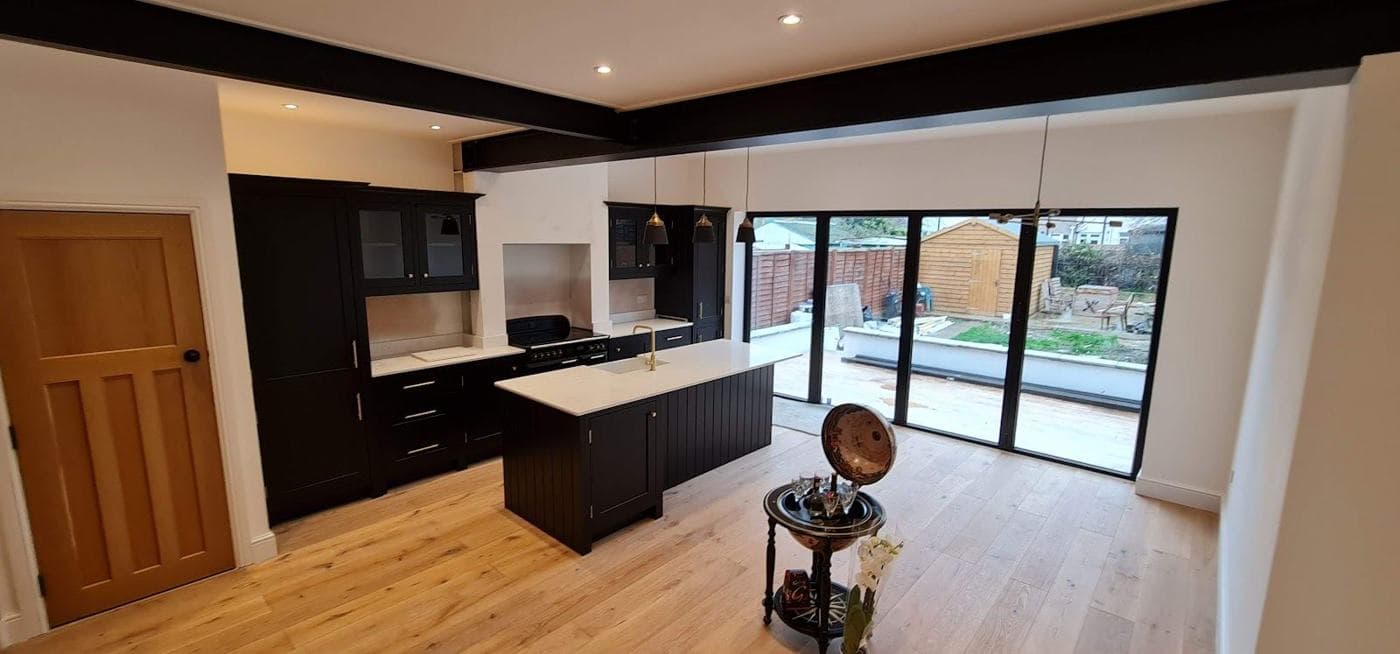
Extension cost overruns are one of the most common frustrations in residential construction. Stories of projects running 20%, 30%, or more over the original quote are widespread. Most overruns are not random — they have specific, identifiable causes that can be managed if you know what to look for.
Cause 1: Incomplete Scope at Quote Stage
The most common cause of cost overruns is quoting a project before the scope is fully defined. If the contractor quotes from a partial brief, planning drawings only (not technical drawings), or a site visit without drawings, the quote is necessarily based on assumptions.
When the full scope emerges — additional structural work, drainage complexity, specification upgrades, previously unidentified building conditions — the price rises to cover reality.
Prevention: Ensure the contractor has detailed drawings, a clear specification, and answers to all key unknowns before pricing. Accept that getting a robust quote takes longer than a quick site visit.
Cause 2: Inadequate Site Investigation
Older London properties contain surprises — lead pipes, asbestos-containing materials, old drainage, poor foundation conditions, dry rot, damp, previous non-compliant work. These are not knowable without opening up, and they generate additional cost when discovered.
Prevention: Allow a contingency specifically for unknowns — 10–15% minimum. Experienced contractors communicate this risk clearly at the outset.
Cause 3: Client-Initiated Changes
Scope changes after the contract is signed are a major driver of cost increases. A larger structural opening, a specification upgrade, an additional room use change, or a layout adjustment after the programme has started all generate additional cost.
Prevention: Invest time in finalising the design and specification before signing. Agree a clear change management process so any additions are properly costed before they are approved.
Cause 4: Optimistic Pricing
Some contractors price low to win the contract and rely on variations and additional charges to restore margin. This is a structural problem with competitive tendering on insufficient information.
Prevention: Ask for a clear scope basis with every price. Ask the contractor explicitly what the price does and does not include. Be suspicious of prices that are notably lower than others without a clear explanation.
Cause 5: Procurement Delays and Price Changes
Material prices can change between quoting and procurement. Long-lead items (windows, kitchen, bespoke joinery) ordered late or arriving delayed can hold up the programme and create additional cost.
Prevention: Lock in material prices early. Order long-lead items as soon as the programme is confirmed. Fix contractor prices for a defined period.
Cause 6: Inflation and Market Conditions
In periods of high construction inflation (as seen in 2021–2023), prices quoted at the start of a project can be outdated by the time work starts if there is a long pre-construction period.
Prevention: Agree a fixed-price contract with a clear start date and programme. Avoid long gaps between signing and starting.
rcbGroup
rcbGroup provides transparent, scope-based pricing before any work starts — with explicit exclusions and assumptions documented so clients know exactly what they are buying.