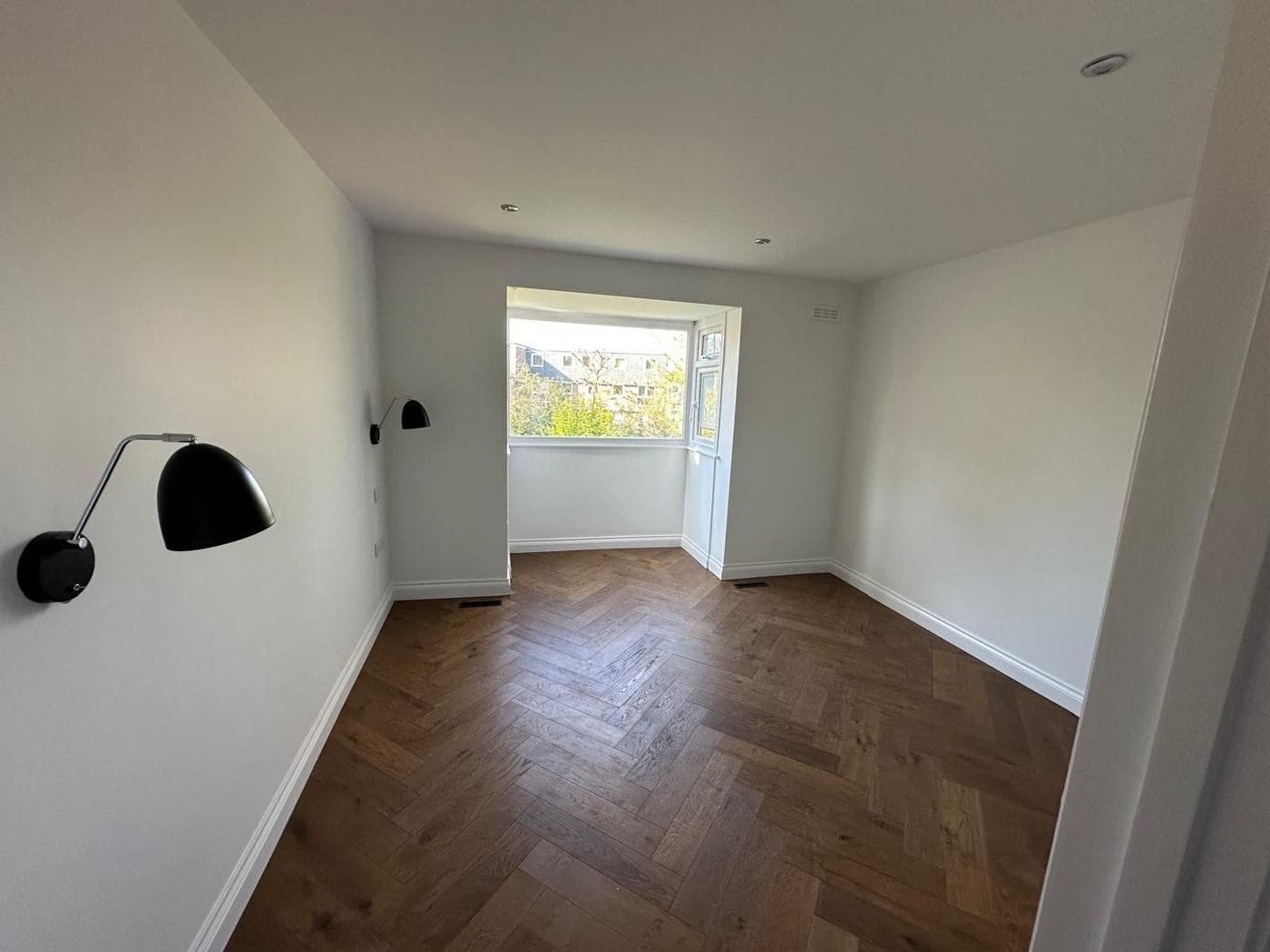
A snagging list is a systematic record of defects, unfinished items, and departures from the agreed specification identified at or near the end of a building project. It is one of the most important documents in the close-out of any London construction project — and one of the most frequently handled badly.
What a Snagging List Is For
The snagging process exists to create a formal, agreed record of what needs to be corrected before final payment is released or before the defects liability period begins. Without a documented list:
- Verbal agreements about what will be fixed are difficult to prove
- Disputes about when defects were reported become impossible to resolve
- The client's leverage (retention and final payment) weakens once payment is made
- Individual defects get forgotten as time passes
A well-managed snagging process protects both parties — the client gets confirmed completion of the agreed work, and the contractor gets a clear, finite list of remaining obligations rather than an open-ended stream of demands.
When to Snag
Practical completion: The formal handover point at which the works are substantially complete. Minor snags may be outstanding at practical completion, but major defects should not be. At practical completion:
- The client takes possession of the property
- Retention (typically 3–5% of the contract sum) is reduced to 50% — the remainder held for the defects liability period
- The contractor's obligations during the defects liability period begin
Pre-handover inspection: It is good practice to carry out a pre-handover inspection a few days before the formal practical completion date, so that any significant items can be addressed before the contractor demobilises.
Do not confuse snagging with commissioning: Mechanical and electrical systems (heating, ventilation, hot water) should be commissioned and tested before snagging — if they are not working correctly, that is a commissioning issue not a snag.
What to Look For
A thorough snagging inspection covers:
External:
- Roof covering — any visible defects, tiles out of alignment, gaps at ridge or verge
- External walls — render or brickwork defects, cracked mortar, poor pointing
- Windows and doors — operation (ease of opening and closing, latching), draught sealing, hardware
- External drainage — gully positions, fall on patio surfaces, any ponding
- External finishes — paint, timber, metalwork
Internal — general:
- Walls and ceilings — cracks, uneven plasterwork, paint defects (holidays in paint, roller marks, runs), poor junctions between different surfaces
- Floors — squeaks (particularly in new timber floors), hollows under tiles, gaps between boards, surface damage
- Joinery — doors (operation, alignment, latching, door furniture), skirting boards (nail pops, mitre gaps, unsound fixing), window boards, architraves (gaps at junctions)
- Staircase — loose balusters, squeaking treads, handrai quality
- Decoration — marks, missed areas, poor cuts at edges
Kitchens and bathrooms:
- Tile grout — gaps, cracks, uneven width, unfilled joints at changes of plane
- Silicone — voids, poor tooling, staining
- Sanitary ware — scratches, chips, insecure fixing
- Worktops — gaps at junctions, exposed chipboard at cut edges, silicone quality
- Cabinet alignment, door gaps, drawer operation
- Waste positions and seal at floor penetrations
Mechanical and electrical:
- Socket and switch positions — gaps to wall, alignment, correct faceplate fitting
- Light fittings — secure fitting, correct bulb, correct cover
- Radiators — secure, balanced, bleed valves working
- Heating controls — programmed and functioning
- Ventilation — extract fans working at correct flow rate
How to Document
Document defects with:
- Location (room, wall, position in room)
- Description (what the defect is, not just "looks bad")
- Photograph (time-stamped, close enough to show the defect clearly)
- Status (outstanding / under repair / complete)
A spreadsheet or snagging app (there are several available for phone use on site) is more reliable than handwritten notes.
Using the Snagging List Commercially
The snagging list should be formally agreed with the contractor:
- Both parties sign the list as a confirmed record at practical completion
- A deadline for completion of snags should be agreed (typically 4–6 weeks from practical completion)
- Final retention is released only when all snags are confirmed closed — not before
Do not release final retention until all listed snags have been signed off. This is the client's primary leverage and once released, motivation to return and fix minor items drops significantly.
Professional Snagging Surveyors
For new-build purchases in London, specialist snagging surveyors offer inspection services (typically £300–£600) that produce a detailed, photographed report of defects which can be presented to the developer. This is particularly useful where the purchaser lacks construction experience.
rcbGroup
rcbGroup conducts formal snagging inspections before handover on all our projects, producing a documented record of any outstanding items and closing them before the final payment request. We operate a defects liability period of 12 months from practical completion on all contracts. Contact us to discuss project close-out procedures.