What Does a Structural Engineer's Certificate Cover?
A structural engineer's certificate is a document issued by a chartered structural engineer confirming that a specific element of a building is structurally sound, or that construction works have been carried out to an adequate structural standard. It is a professional opinion, based on an inspection and sometimes on calculations, not a guarantee or an insurance product.
Structural engineer certificates are commonly requested by mortgage lenders, conveyancers, and buyers when a property has visible defects such as cracks in walls, signs of subsidence, or evidence of structural movement. They are also requested when works have been carried out without building regulations approval and no completion certificate exists.
When Is a Structural Engineer's Certificate Typically Required?
The most common scenarios include properties with visible cracking in external or internal walls, where a lender or buyer wants professional assurance that the movement is historic and stable. Another scenario is where works such as a loft conversion, extension, or structural alteration were carried out without building control sign-off — a structural engineer's certificate can sometimes support a regularisation application or satisfy a lender's requirements in combination with indemnity insurance.
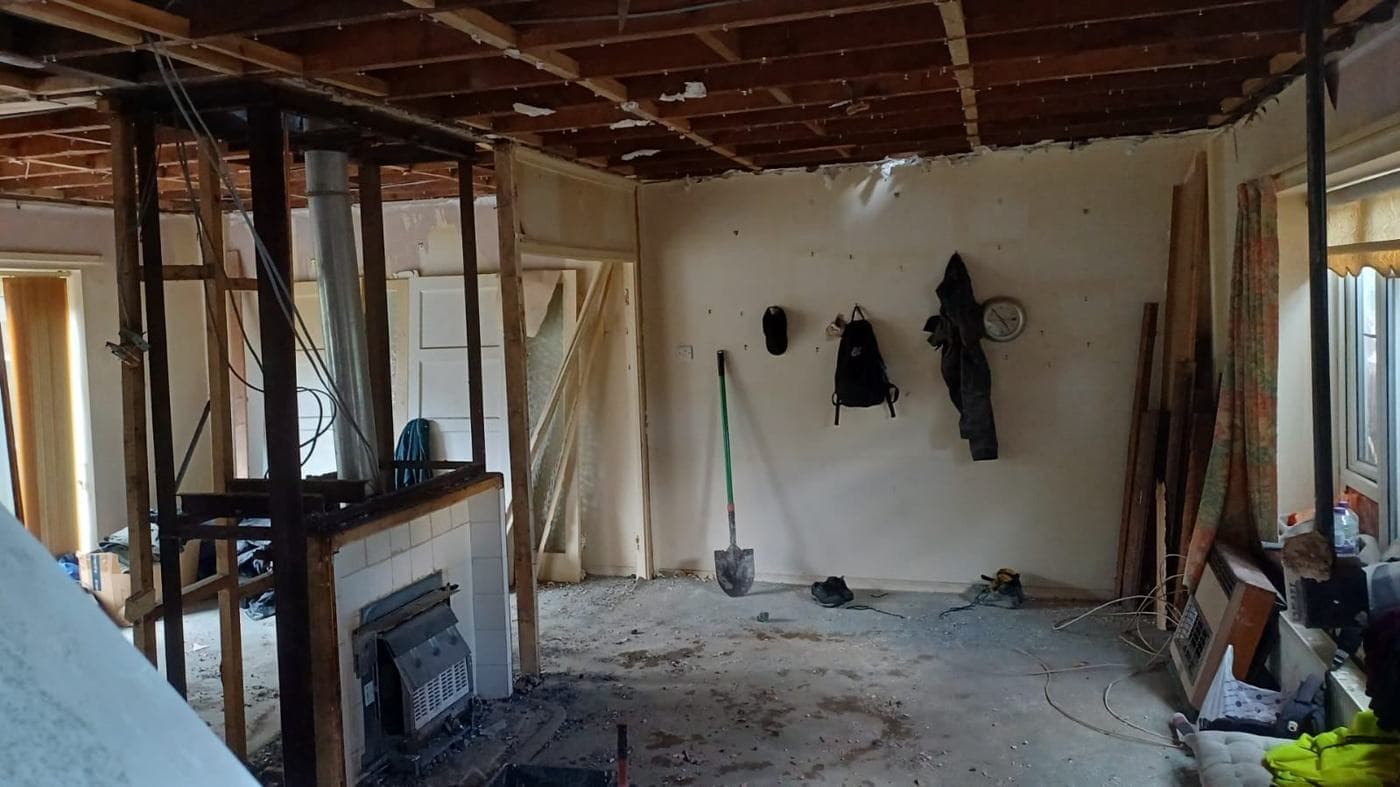
Certificates are also required when beams or columns have been installed to support loadings above a removed wall, and the lender wants confirmation the structure was done correctly. In post-fire or post-flood reinstatement, a certificate may confirm the structural integrity of the remaining building.
What Is the Difference Between a Structural Survey and a Certificate?
A structural survey is an investigation into the condition of the building's structure, typically commissioned when defects are visible and the extent and cause of the problem needs to be established. The survey may include investigation works such as opening up walls or excavating around foundations.
A structural certificate is typically issued following a desktop assessment or visual inspection, confirming a conclusion or opinion on a specific structural matter. The certificate does not replace a survey where a survey is needed — if there is an active crack or evidence of ongoing movement, a full investigation is required before any certificate can meaningfully be issued.
How Do You Commission a Structural Engineer's Report?
Commission a chartered structural engineer who is a member of the Institution of Structural Engineers (IStructE) or the Institution of Civil Engineers (ICE). The engineer will inspect the relevant part of the building, review any available drawings or previous reports, and issue a written report or certificate.
Be specific about what you need the certificate for. A certificate issued for the purposes of a mortgage lender needs to address lender-specific concerns, and some lenders have their own templates or requirements. Make sure the engineer understands the purpose of the report so it is drafted in a way that meets the recipient's requirements.
Structural Certificates and Retrospective Building Regulations
Where structural works have been carried out without building regulations approval, a structural engineer's certificate is sometimes used as part of the evidence for a regularisation application. Regularisation allows building control to issue a certificate for past work that did not receive approval at the time, subject to inspection and any required remedial works.
However, a structural engineer's certificate alone does not replace a regularisation certificate. The local authority building control body must assess the works and issue the regularisation certificate themselves. A structural engineer's report supports that process but does not substitute for it.
Structural Input During Construction
Structural engineer certificates are distinct from the ongoing structural design input that a structural engineer provides during a construction project. On any project involving structural changes — removing a load-bearing wall, adding a loft structure, creating large openings, or extending foundations — a structural engineer should be involved from the design stage to produce calculations and details that inform the building control application and the contractor's construction methodology.
At rcbGroup, we coordinate structural engineer input as part of our pre-construction package. For clients whose projects involve structural work, we ensure the structural design is resolved before construction starts, that building control has the information it needs, and that the work is built in accordance with the engineer's specification. Contact us to discuss how structural coordination works within a design-and-build delivery model.